



Welcome
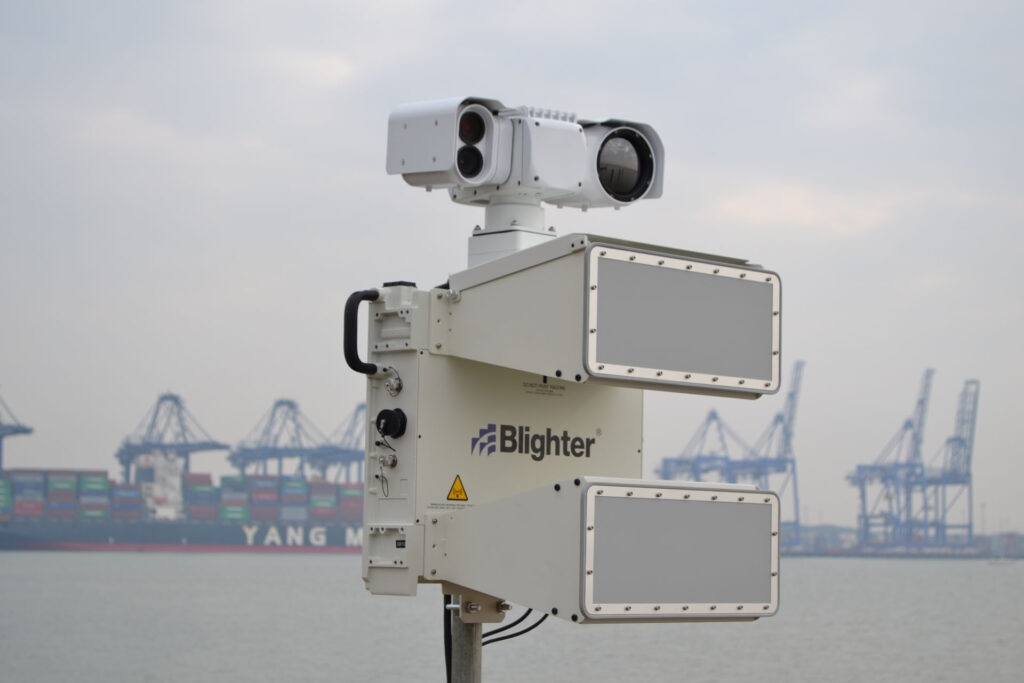
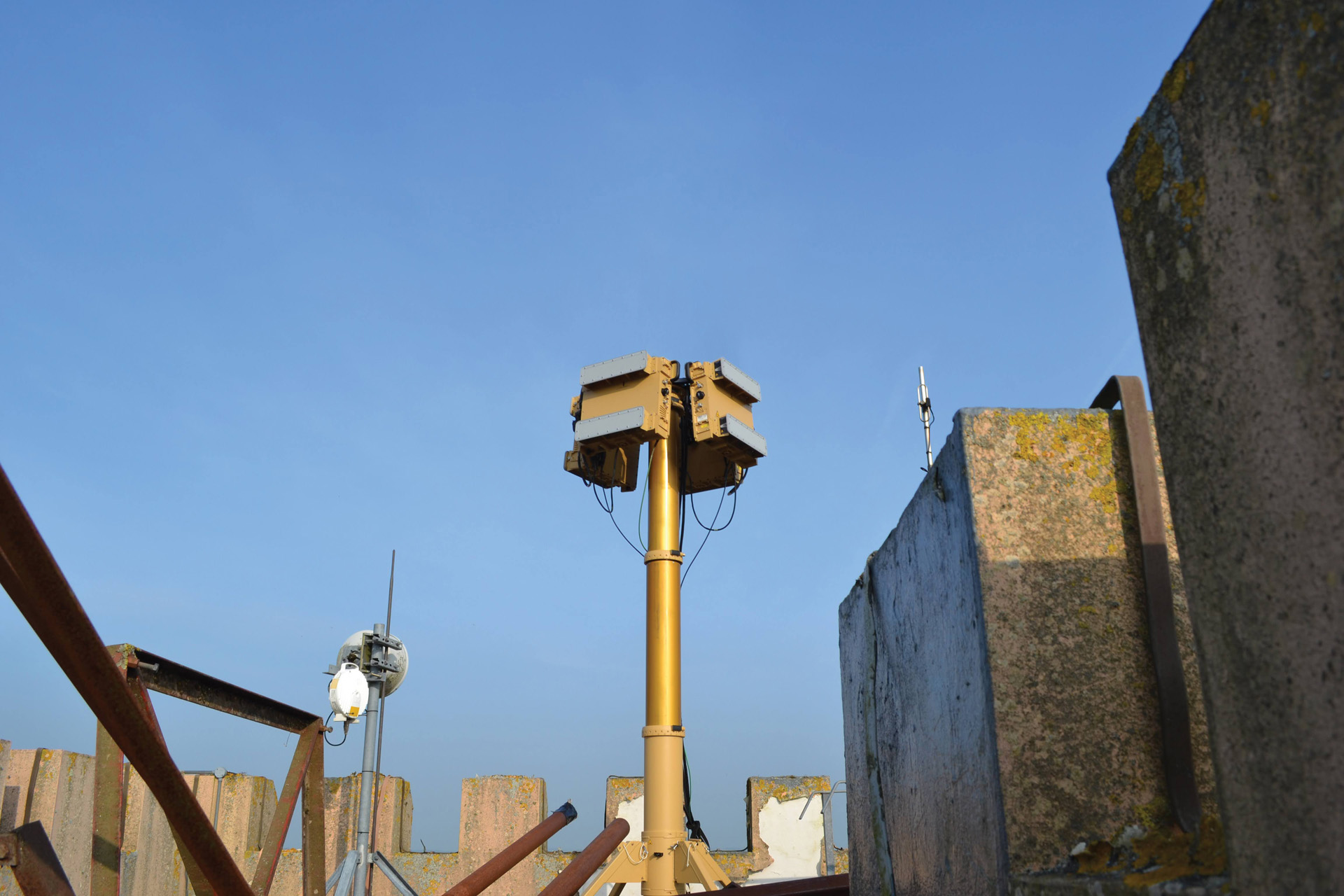
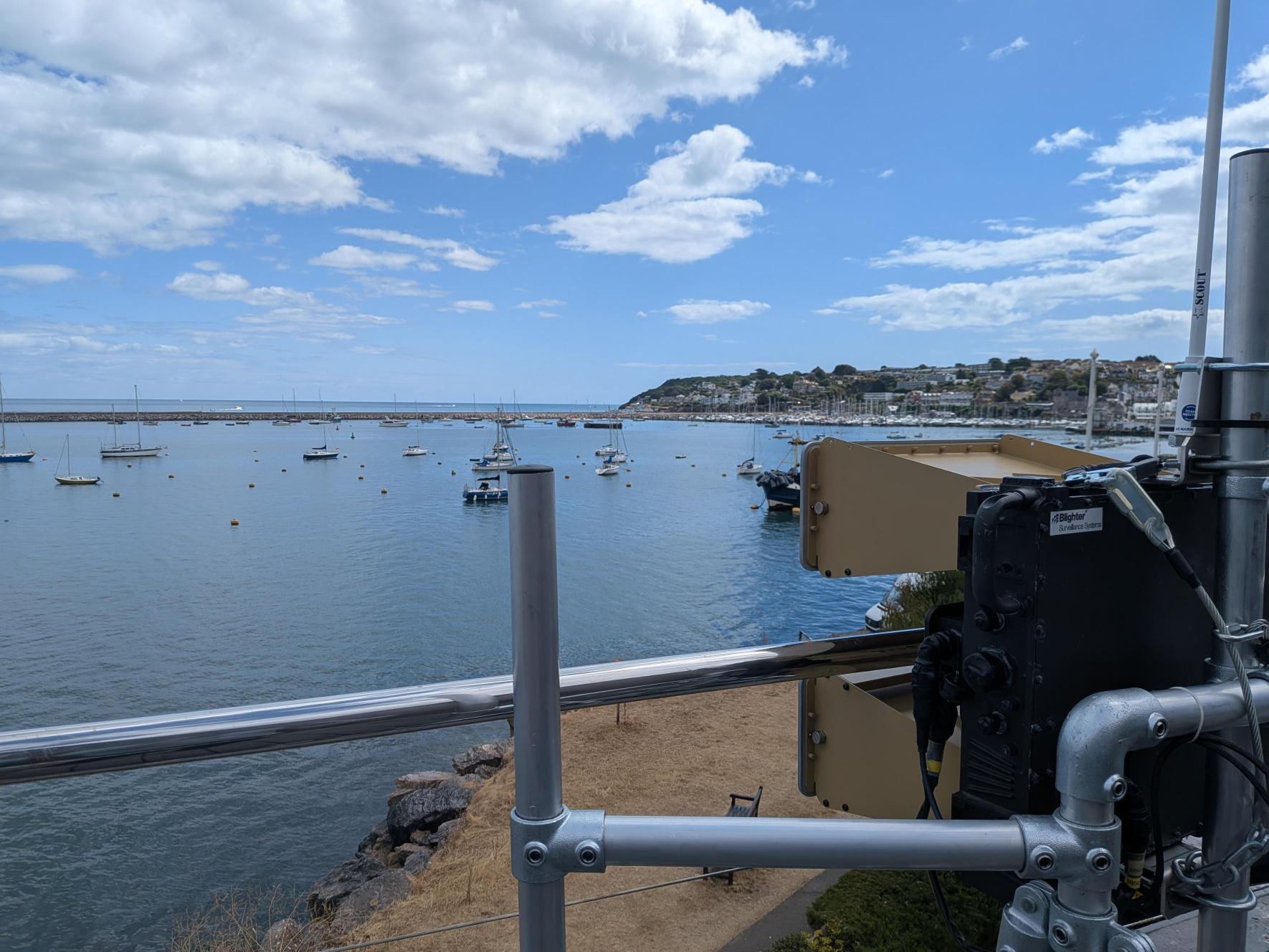
Welcome to the Blighter C400 Coastal Surveillance Radar, located at the University of Plymouth’s Brixham laboratory.
This installation forms part of a collaborative partnership between Blighter and the University of Plymouth, providing students, researchers and industry partners with the opportunity to explore modern coastal surveillance technology in a real-world environment.
The radar supports practical learning, research and technology development while also providing Blighter with a valuable location to test and evaluate new software capabilities, algorithms and radar features in a challenging coastal environment.
About the Partnership
Blighter and the University of Plymouth share a commitment to advancing innovation, engineering excellence and the application of technology to solve real-world challenges.
By installing a fully operational coastal surveillance radar at Brixham, the partnership creates opportunities for:
- Hands-on learning for undergraduate and postgraduate students
- Research into radar technology and maritime surveillance
- Collaborative engineering and software development projects
- Testing and validation of new radar capabilities in a live coastal environment
- Knowledge sharing between academia and industry
Located on one of the UK’s busiest and most varied stretches of coastline, Brixham provides an ideal setting for studying vessel movements, changing sea conditions and the practical challenges of maritime surveillance.

What is a Coastal Surveillance Radar?
A coastal surveillance radar continuously scans the surrounding sea and coastline to detect, classify and track vessels and other moving targets, regardless of visibility or lighting conditions.
Unlike optical sensors, radar continues to operate effectively:
- Day and night
- In rain, fog and mist
- Through sea haze
- In changing sea states
Modern coastal surveillance radars are used around the world to enhance maritime safety, protect critical infrastructure and improve situational awareness.
One of the greatest challenges for any coastal surveillance radar is distinguishing genuine vessels from constantly changing wave patterns.
Sea clutter can generate thousands of unwanted reflections, making it difficult to identify small or slow-moving targets.
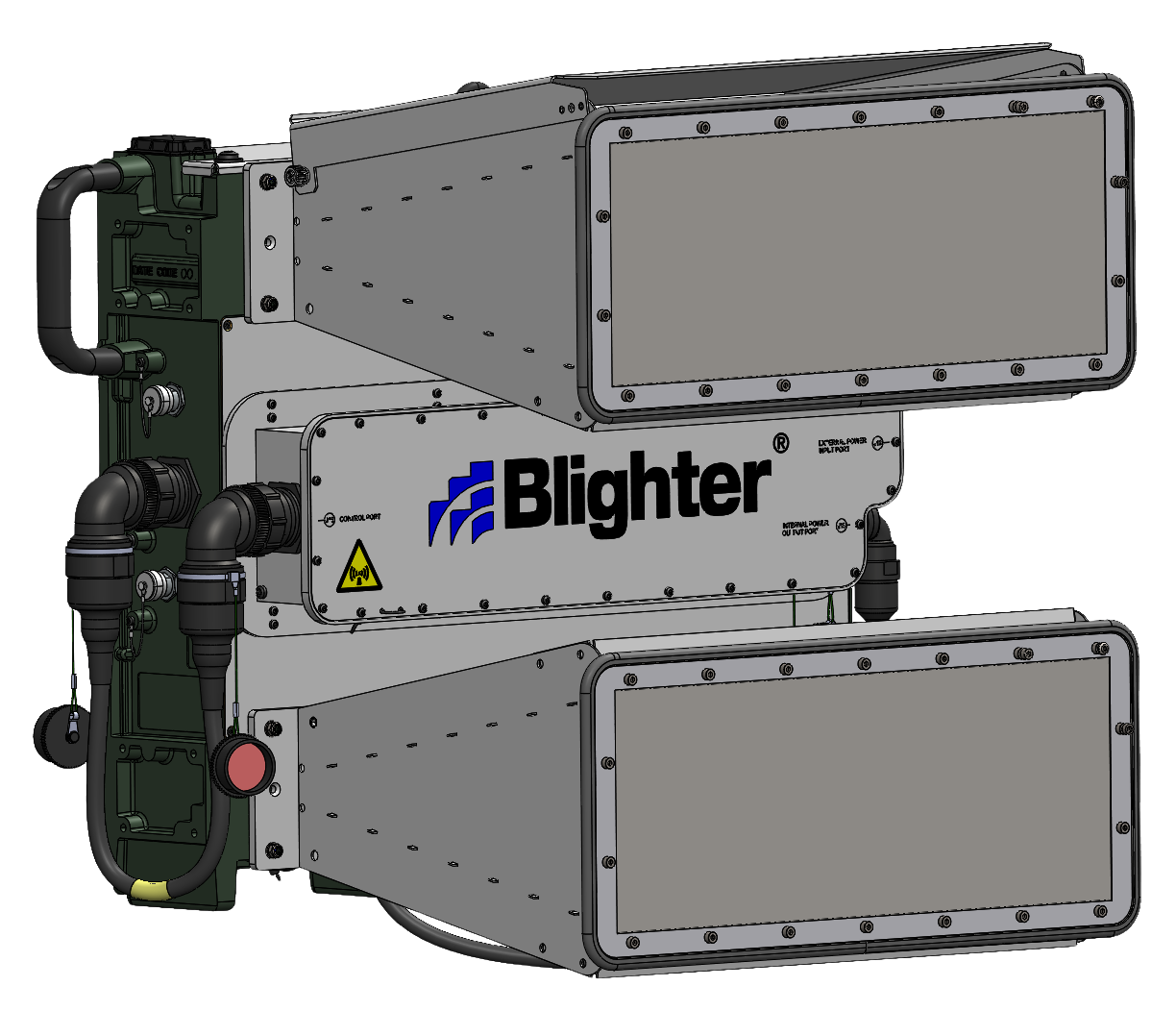
The Blighter C400 Series uses advanced automated sea clutter filtering to minimise these unwanted reflections while preserving genuine targets. This allows operators to detect and track vessels with greater confidence, reduce false alarms and improves overall situational awareness.
About the Blighter C400 Radar
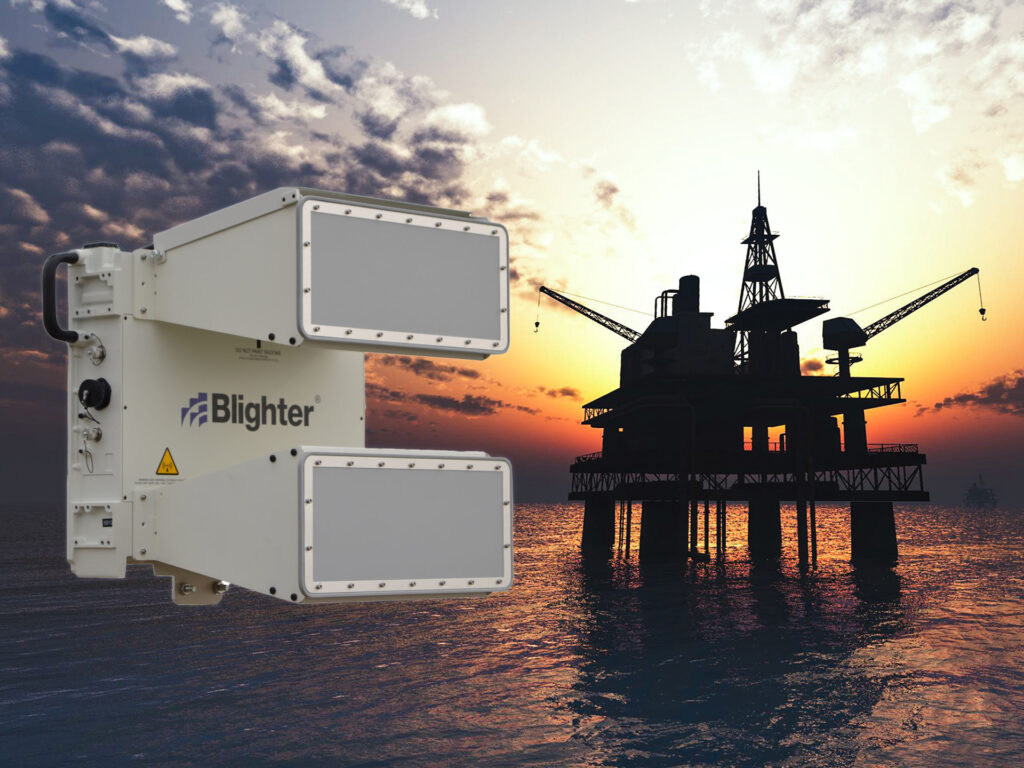
The Blighter C400 is a high-performance coastal surveillance radar designed to detect, track and classify vessels operating in demanding maritime environments.
Its advanced signal processing enables the radar to distinguish genuine targets from waves and reflections, helping operators maintain a clear picture of activity even in rough sea conditions.
Key capabilities include:
- Continuous 24/7, all-weather, surveillance
- AI-enhanced automatic Sea Clutter Filter
- Detection and tracking of small vessels
- Low false-alarm rates
- Open architecture for integration with third-party cameras, AIS and command-and-control systems
The C400 Series is deployed internationally to support coastguards, ports, critical infrastructure operators and maritime security organisations.
How it works:
Electronic scanning
The Blighter C400 radar creates 50 beams that scan the surveillance area electronically. With no rotating antenna, the system can provide dependable, low-maintenance monitoring of coastal and maritime environments.
Low-power FMCW technology
The C400 uses frequency-modulated continuous-wave radar technology. One antenna continuously transmits a low-power radio signal while another receives signals reflected by objects within the radar’s coverage area.
Operating frequency
The radar operates in the Ku band between 15.7 and 17.2 GHz, a frequency range used for specialist radar applications.
Detection ranges
The Blighter C400’s maximum detection ranges are:
- Small wooden boat – 11km
- Rigid inflatable boat (RIB) – 16km
- Small coaster – 20km
- Large coaster – 25km
- Container ship – 32km
Low-power, long-range performance
The radar transmits only 4 watts of power (comparable to a domestic LED light bulb) yet can detect suitable targets at distances of up to 32km, depending on target type and environmental conditions.
Other applications
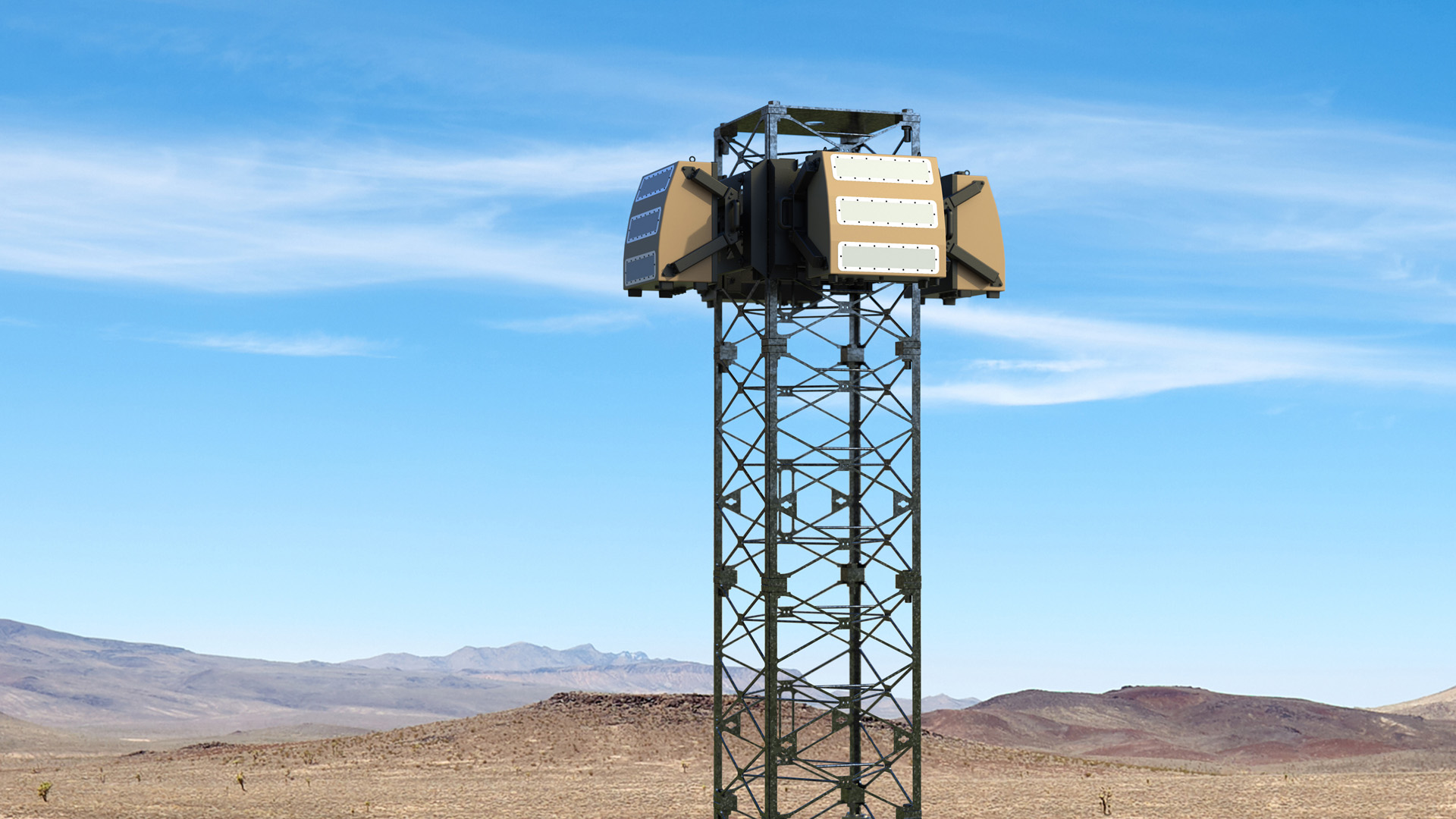
Related Blighter radar variants use the same core electronic-scanning approach for applications including detecting people and vehicles on land and detecting and monitoring low-flying drones.

About Blighter
Blighter designs and manufactures advanced electronic-scanning surveillance radars that detect and track low, slow and small targets across land, sea and air.
For more than two decades, Blighter technology has been deployed worldwide to protect borders, coastlines, airports, military bases and critical national infrastructure.
Blighter’s radar systems are recognised for their reliability, low power consumption and ability to detect difficult targets in demanding environments. Combined with the BlighterNexus software platform, they provide operators with an intuitive common operating picture by integrating radar, cameras and other sensors into a single user interface.
Learn more
Interested in learning more about coastal surveillance radar or Blighter technology?
Whether you are studying engineering, researching maritime technologies or simply curious about how modern radar systems work, we hope this installation provides an inspiring insight into the technologies helping to keep coastlines around the world safe.