
Blighter Wins Contract to Supply Border Surveillance radars to Eastern European Army

  • Blighter B400 series radars & BlighterNexus AI-assisted software to be deployed at fixed locations and on army reconnaissance vehicles to protect national borders
  • Blighter to showcase its world-leading border and coastal surveillance radars and CUAS solutions on stand A92 at the UK Government Security and Policing Exhibition, Farnborough International Exhibition and Conference Centre, 10-12 March 2026.

We are pleased to share that Blighter has won a contract to supply its ground surveillance radars and BlighterNexus AI-assisted software to an undisclosed Eastern European Army to protect the country’s national borders.

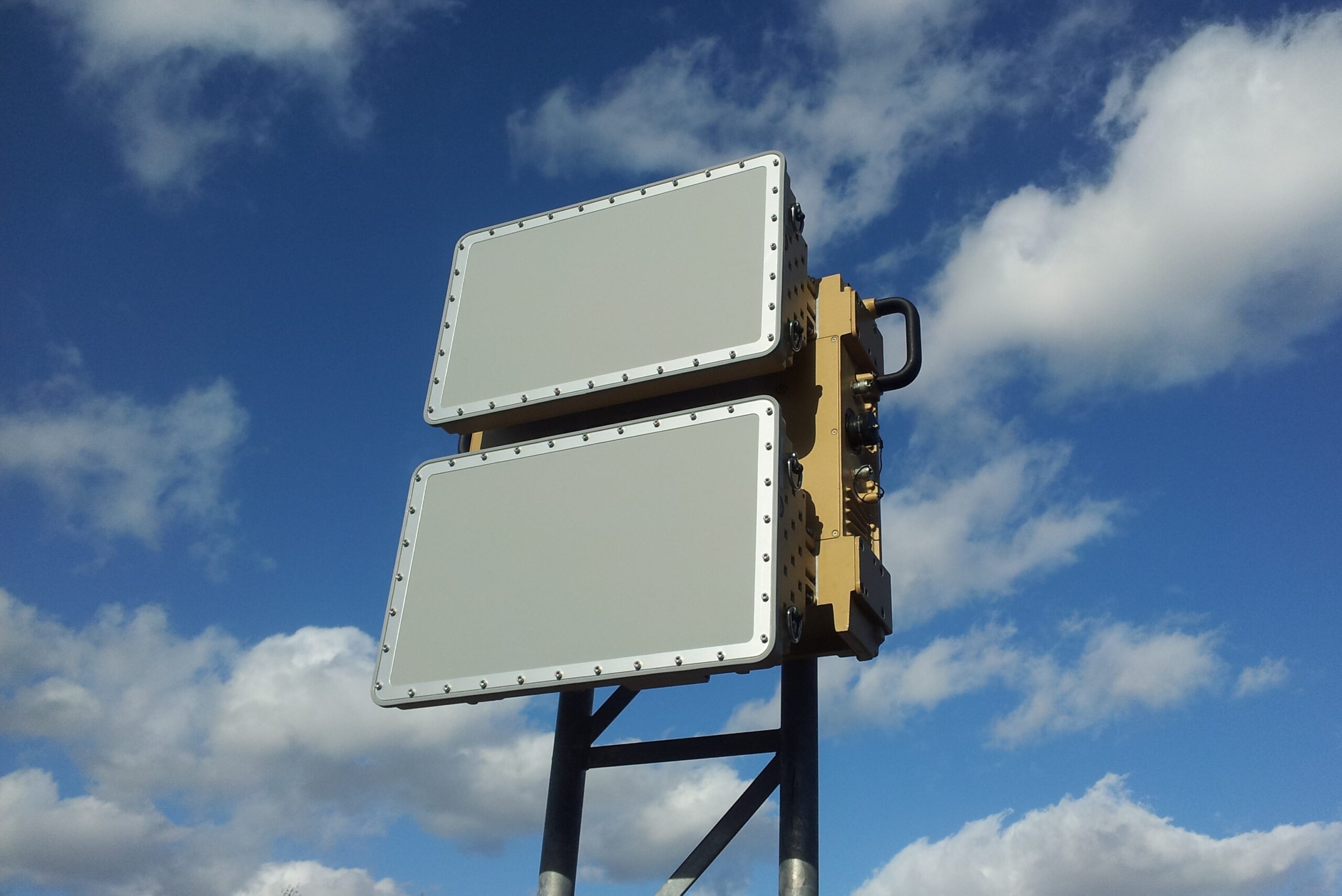
Blighter’s B400 series lowpower (4 Watts), and very low-probability-of-intercept (LPI) radars, will be deployed imminently to fixed locations along the country’s borders and integrated onto army reconnaissance vehicles to provide a flexible mobile surveillance solution. Blighter radars operate 24 hours a day and 365 days per year in all weather, including dense fog, to detect, classify, and track targets including people, vehicles, and near-ground airborne threats at ranges of up to 32 km. 

The BlighterNexus software will be installed to ensure the radars are seamlessly integrated with the Army’s command-and-control (C2) networks, operator interfaces, and third-party sensors to deliver a unified display or common operating picture (COP) across multiple border regions. 

James Long, Blighter’s CEO, said: “Following a record order book in 2025, we are delighted to secure another border surveillance contract in Europe adding to our recent successes in the Middle East and Asia Pacific.  

“We will continue to target new business at home and abroad through our growing sales force and by forging strategic partnerships. Attendance at international trade shows will continue to be a priority starting with this week’s Security and Policing Exhibition, where we are scheduled to meet with several overseas delegations, including other Central and Eastern European countries, as well as those from the Middle and Far East.” 

Security & Policing, the official UK Government global security event, takes place at Farnborough International Exhibition & Conference Centre from 10-12 March 2026. It is hosted by the Home Office’s Joint Security & Resilience Centre (JSaRC) and offers an opportunity to meet and discuss national security issues with leading UK suppliers, UK and overseas Government officials and senior decision makers across the law enforcement and security sectors. The event features 400+ exhibitors, delegations from over 40 countries and nearly 10,000 visitors are anticipated. 

Blighter will showcase its border and coastal surveillance radars and its counter-drone (CUAS) solutions on stand A92 at Security and Policing 2026.  

Blighter radars are trusted by the UK Ministry of Defence for forward operating base (FOB) protection, the South Korean Army for border surveillance along the Demilitarised Zone (DMZ), the United States Air Force for drone detection, Five Eyes/NATO customers for deployment on their mobile surveillance and armoured vehicles, and major UK airports for perimeter protection. 

Blighter supports international systems integrators in creating layered, multi-sensor surveillance systems and can facilitate localised manufacture. Over 800 radar units have been deployed in more than 40 countries, making Blighter a trusted partner for surveillance projects among Defence, Homeland Security, Critical National Infrastructure, and Energy sectors worldwide. 


Media Photos/Video:  

James Long, Blighter CEO  

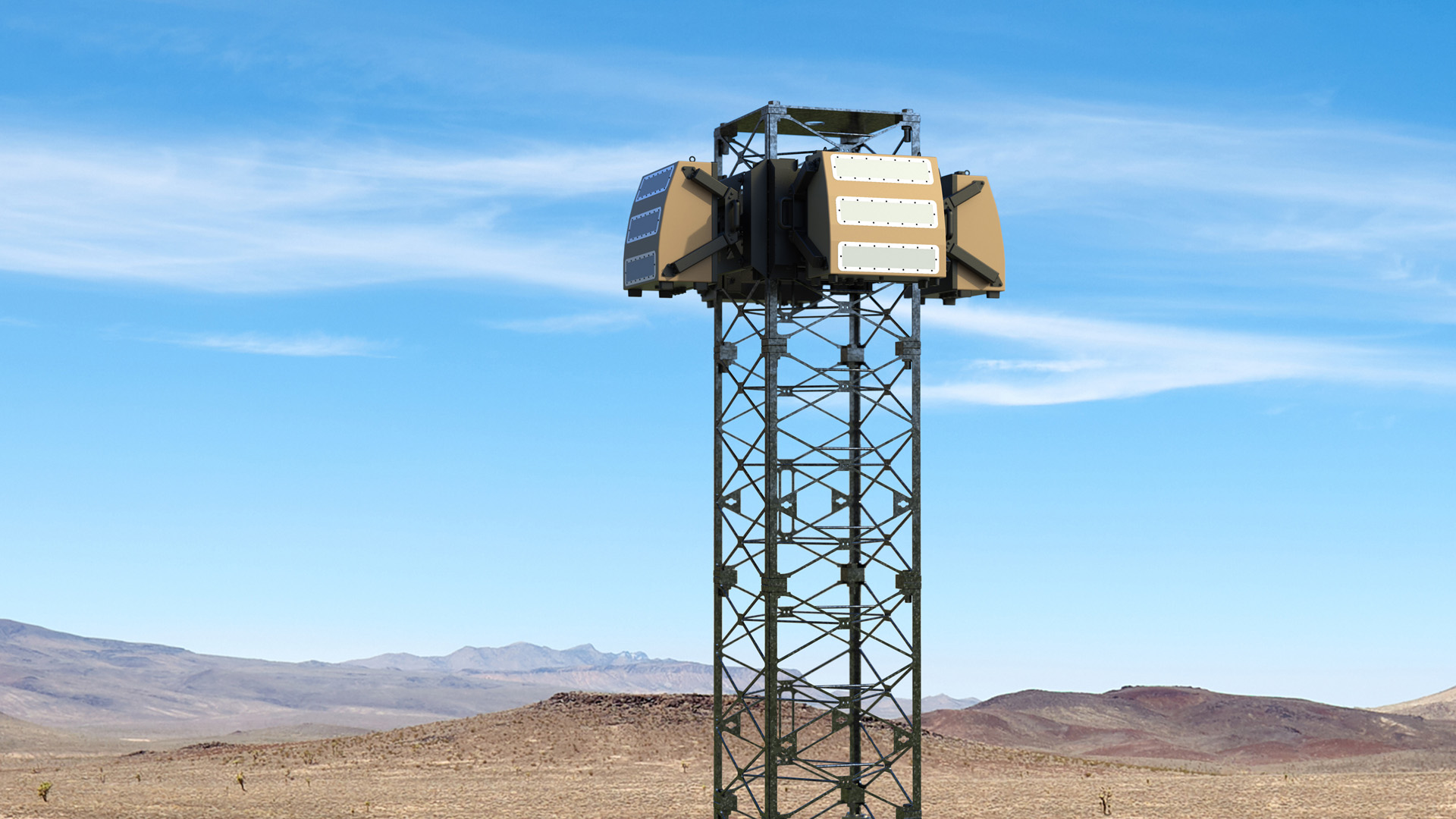
B400 radar in fixed border scenario  


Media contact: 

Martin Brooke (for Blighter) 

Martin Brooke Associates  

Tel: +44 (0) 7776 135402  

Email: [email protected] 

Blighter Boosts Stealth of Radars for Mobile Surveillance

  • Blighter radars feature Low-Probability-of-Intercept (LPI) waveforms making the radar signal difficult to detect, this is achieved without compromising the radar’s accuracy and sensitivity in target detection, tracking and classification of people, vehicles, and near-ground airborne threats.
  • Developers of crewed and autonomous surveillance vehicles benefit from Blighter radars’ solid-state design and low transmitted power (4 Watts) reducing EMC and acoustic signature; this also enables a smaller safety zone around the radar, aiding sensor integration.

Blighter has further boosted the stealth characteristics of its e-scan radars to better serve the growing number of developers of crewed and autonomous multi-sensor surveillance vehicles and platforms.

According to Blighter, the growing sophistication of electronic counter-countermeasures (ECCM) means that demand for Low-Probability-of-Intercept (LPI) radars is increasing rapidly. The need for covert radars that can see but not be seen is particularly strong in the mobile surveillance market where stealth, information superiority and data security are paramount.

Blighter radars, including its B400 series, feature Low-Probability-of-Intercept (LPI) waveforms; this makes the radar signal difficult to detect and therefore difficult to jam. Radar performance remains exceptional, with Blighter’s industry-leading capability in the detection and classification of people, vehicles, and near-ground airborne threats.

Mark Radford, co-founder and chief technology officer (CTO) at Blighter says: “Our radars are inherently covert due to the design choices we made at the outset. We were first to market with a solid-state, non-rotating electronic scanning ground radar, and our adoption of the dual antenna FMCW (frequency modulated continuous wave) architecture and the decision to operate in the Ku-band spectrum have led to an exceptionally tough, EMC robust and stealthy radar design.”

Blighter continues to fine-tune its technology to improve detection, tracking and classification of targets while staying covert. For example, new fast scanning modes, featuring sub-second update rates, result in even less radar energy being transmitted in any specific direction. Furthermore, when the radar is used with BlighterNexus’ ‘Scan-Manager Application Module’, the radar can operate in a Multi-Function Radar (MFR) mode with greater randomisation of the low-power waveforms being transmitted.

“Developers of crewed and autonomous surveillance vehicles and platforms are already benefitting from Blighter’s LPI credentials,” says Mark Radford. “The radar’s solid-state design and extremely low transmit power (4 Watts) reduces the EMC and acoustic signatures and results in a smaller safety zone around the radar to aid sensor integration. But fundamentally, it’s the complexity and length of the combined e-scan, FMCW and Doppler chirp waveforms that make the Blighter radar so difficult to detect and jam.”

In 2025, Blighter radars were integrated into a fleet of custom-built multi-sensor mobile surveillance vehicles for on-the-go monitoring of a European land border; by Allen-Vanguard for its SECURIS rapid deployable counter drone system, and by a SE Asian military customer for mobile border surveillance vehicles.

“Our radar is probably the stealthiest and most resilient ground radar in its class and an excellent fit for developers in the multi-sensor mobile surveillance space,” says Mark Radford. “A great fit for customers wanting to add a covert radar into modernisation programmes, electric and hybrid autonomous vehicles, as well as for patrol and target designator vehicles.”

What is Low Probability of Intercept (LPI)?

Low Probability of Intercept (LPI) is a radar design concept that emerged at the end of the Cold War as radar engineers sought ways to prevent emissions from being detected by increasingly sensitive electronic support receivers. An LPI radar transmits in a way that makes its emissions extremely difficult for enemy receivers to detect, using low peak power, complex coded waveforms, frequency agility, advanced scan patterns, all combined with high processing gain and very low side lobe antennas to keep energy tightly confined to the main beam. Demand for LPI radars is being driven by a combination of threat evolution, defence modernisation, and rapid advances in radar technology.

Blighter’s non-rotating, solid-state, low SWaP (size, weight and power) electronic scanning radars provide uninterrupted rapid surveillance over a wide area detecting moving vehicles/vessels, persons (including ‘crawlers’) and near ground aerial threats at ranges of up to 32 km. The radars’ compact and modular design enables rapid deployment on towers and vehicles, and as dismounted portable systems on tripods.

Get in touch with a member of our team today.

Media Photos/Videos:

Blighter CTO & Co-Founder, Mark Radford

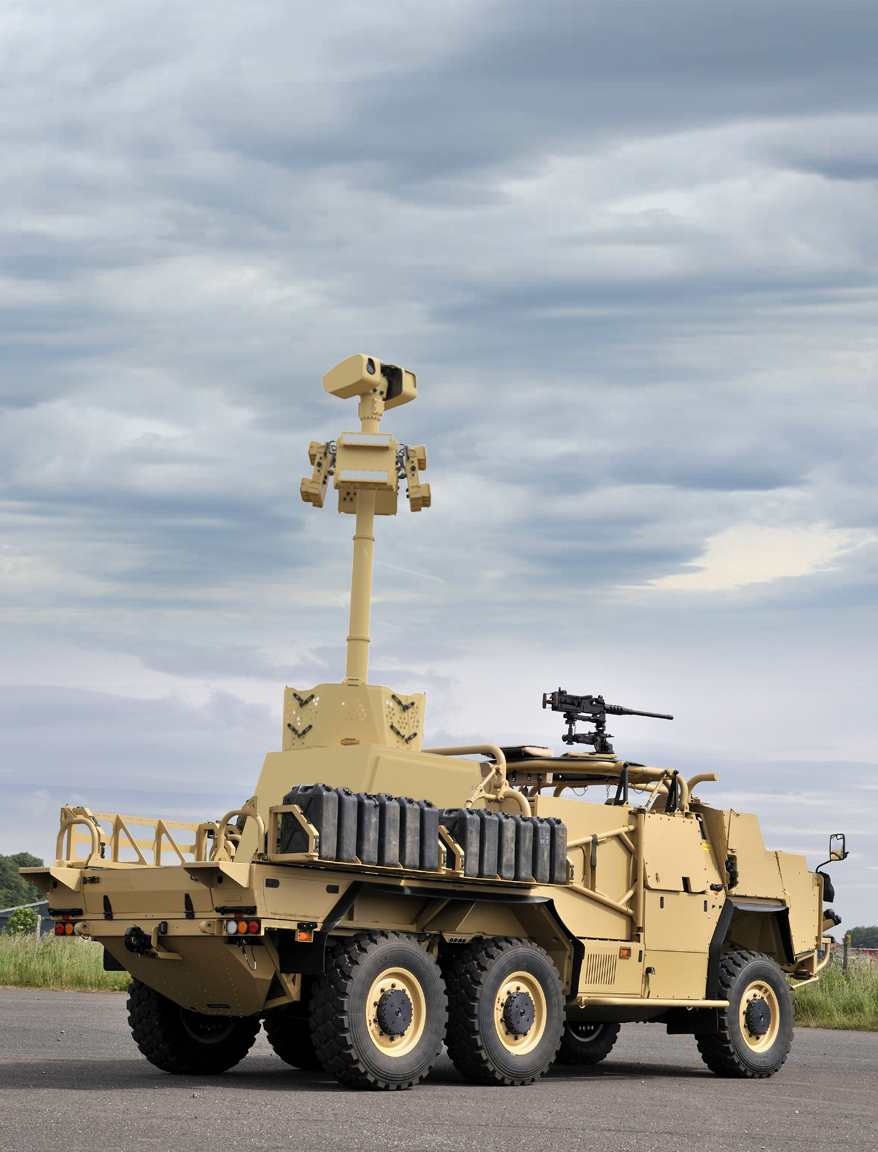
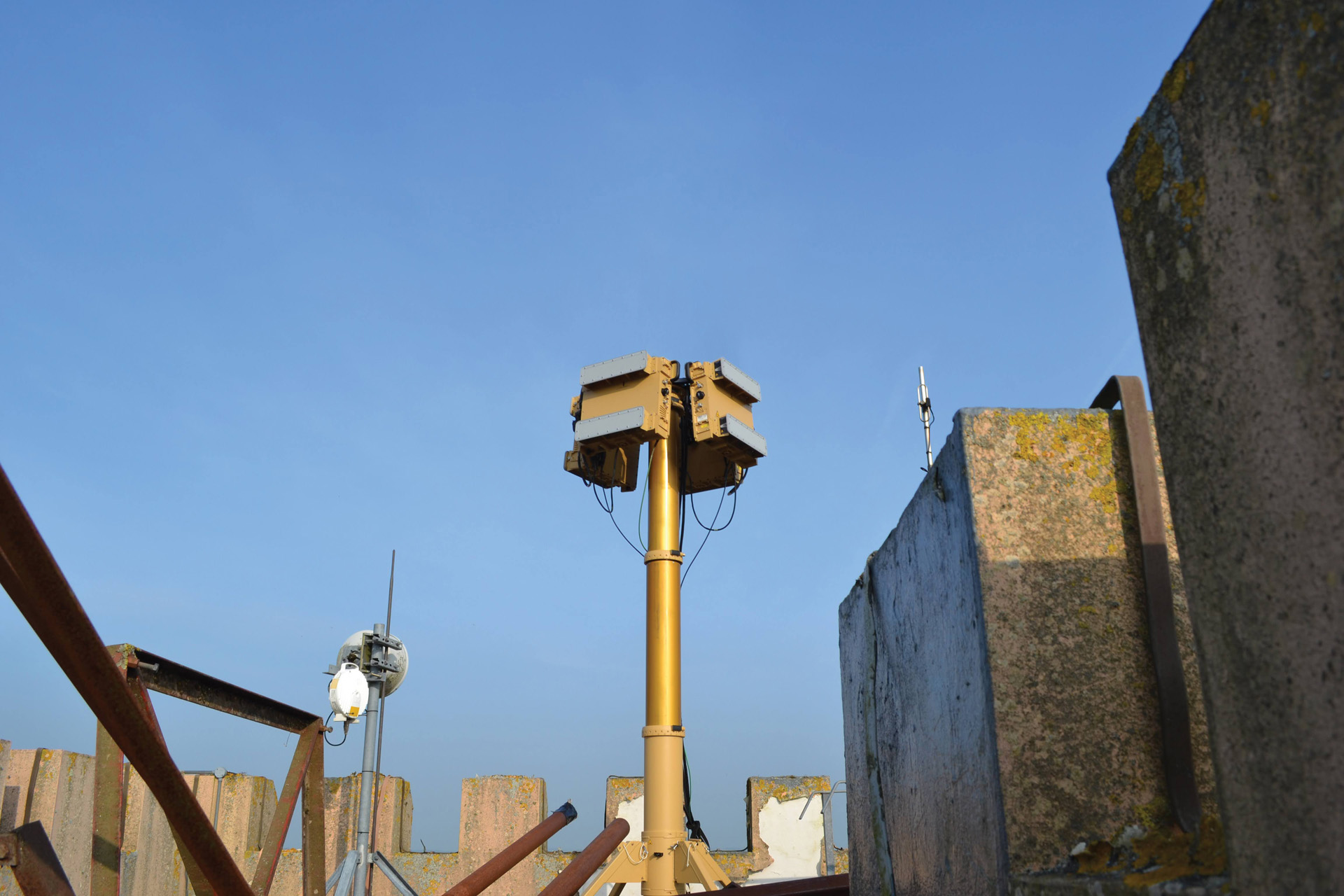
Blighter’s mobile Ground Surveillance Radars on a Supacat Coyote tactical support vehicle


Blighter to Showcase ITAR-Free Ground Surveillance Radars for Border Security

  • Blighter’s low power and long-range covert radars, coupled with a willingness to facilitate technology transfer and in-country manufacture of its radars to has been well received in the region and helped forge long-term partnerships and secure major regional contracts
  • Blighter will be showcasing its ground surveillance radars at the World Defense Show, Riyadh International Convention and Exhibition Center, Saudi Arabia8th-12th February 2026 on stand H1-E39, as part of the UK pavilion with the ADS Group

Blighter is targeting further sales of its ITAR-free electronic scanning radars for border security and base protection in the Middle-East through attendance at the World Defense Show in Saudi Arabia from 8-12 February 2026.

Blighter’s ITAR-free, low-power, long-range ground surveillance radars provide covert, all-weather detection of people, vehicles, and near-ground aerial threats at ranges of up to 32 kilometres, making them well-suited for persistent border surveillance and remote base protection.

“The Middle East is a very important market for Blighter, and we are keen to build on some recent major contract successes in the region,” says James Long, Blighter’s CEO. “Our solid-state low power and long-range covert radars are well suited to remote operation along national borders providing uninterrupted 24/7 surveillance in all weather conditions detecting moving vehicles, people and near ground aerial threats at ranges of up to 32 km.” 

According to Blighter, the company’s willingness to facilitate technology transfer and in-country manufacture of its radars to support local economies has been an important factor in forging long-term partnerships and helping to secure major contracts in the region.   

“Having lived and worked in the Kingdom of Saudi Arabia for many years, I am very aware of the intent of Saudi Vision 2030 and the ambition and capability of the Saudi people” says Iain Walsh, Blighter’s newly appointed sales director. “As a company, we are committed to establishing long term and fruitful partnerships with local defence companies and integrators in order to achieve our goal to become the radar supplier of choice for border security in the region.” 

The biennial World Defense Show is taking place at the Riyadh International Convention and Exhibition Center. In 2024, the event hosted 773 exhibitors, welcomed 441 official delegations from 116 countries, attracted 106,000 trade visitors, and facilitated 26 billion Saudi Riyals in deals. 

Blighter will be showcasing its ground surveillance radars at the event on stand H1-E39, as part of the UK pavilion with the ADS Group. 

Blighter’s commercial-off-the-shelf (COTS) product portfolio includes 2D, 3D, and 4D radars, and powerful software for the configuration, control, and viewing of multiple systems. Featuring Low-Probability-of-Intercept (LPI) waveforms, Blighter radars are inherently covert and built for robust fixed and mobile operation.  

Its radars are trusted by the UK Ministry of Defence for forward operating base (FOB) protection, the South Korean Army for border surveillance along the Demilitarised Zone (DMZ), by the United States Air Force for drone detection, by Five Eyes and NATO customers for deployment on their mobile surveillance and armoured vehicles, and the UK’s major airports for perimeter protection. 

How to contact Blighter? For more information about Blighter’s range of electronic scanning radars, you can contact us here.

Media Photos:  

World Defense Show 2026

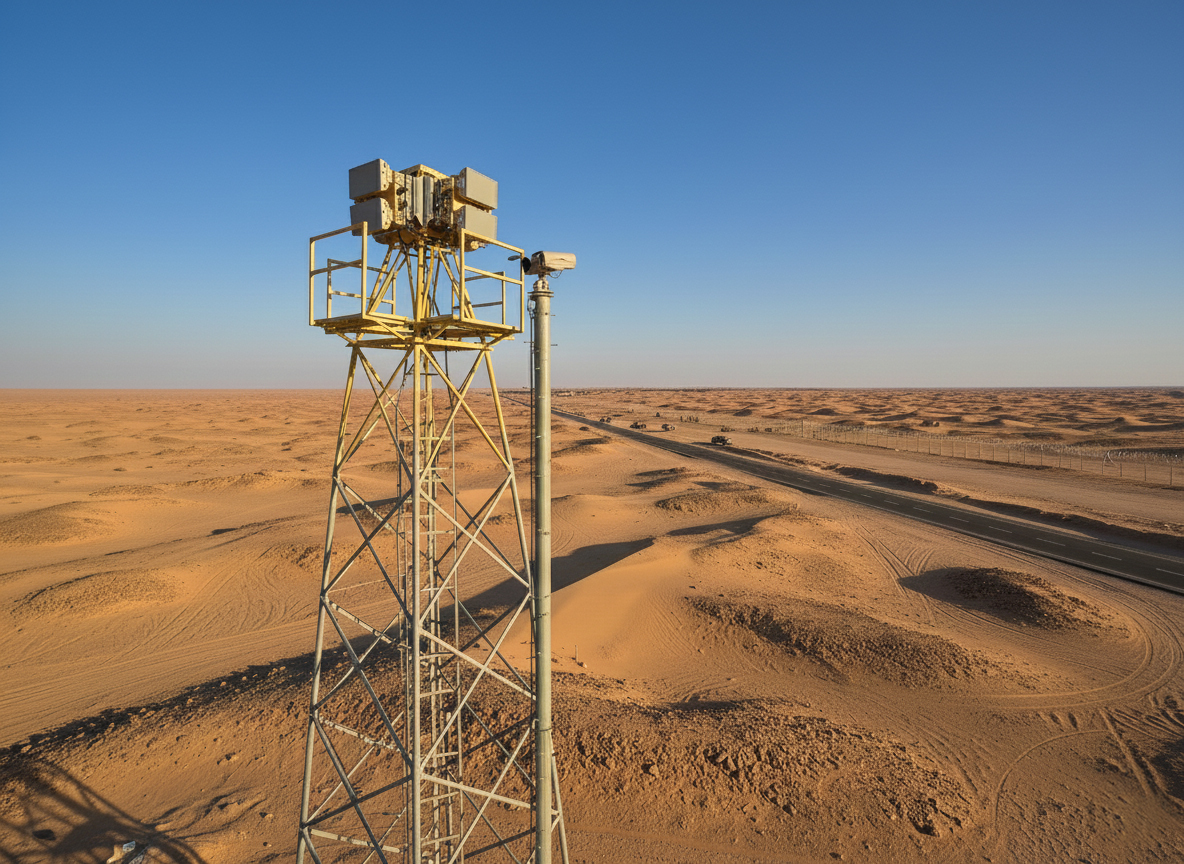
Blighter Ground Surveillance Radar Providing Border Security in the Desert

Sales Director Iain Walsh

CEO James Long

About Blighter (www.blighter.com 

Blighter, Cambridge UK, is a world-leading designer and manufacturer of ground-based radars for the surveillance of moving objects on land, along coastlines, and in the air. Using ultra-reliable, low-power, electronic scanning antennas and AI-assisted software, Blighter radars are designed to detect, classify, and track targets including people, vehicles, and near-ground airborne threats at ranges of up to 32 km. Blighter excels at detecting small and covert targets in complex environments thanks to its patented technology and delivers proven, mission critical radars for Defence, Homeland Security, Critical National Infrastructure, and Energy sectors worldwide. 

Blighter’s commercial-off-the-shelf (COTS) product portfolio includes 2D, 3D, and 4D radars, and powerful software for the configuration, control, and viewing of multiple radars. Featuring Low-Probability-of-Intercept (LPI) waveforms, Blighter radars are inherently covert and built for robust fixed and mobile operation. Its radars are trusted by the UK Ministry of Defence for forward operating base (FOB) protection, the South Korean Army for border surveillance along the Demilitarised Zone (DMZ), by the United States Air Force for drone detection, by Five Eyes/NATO customers for deployment on their mobile surveillance and armoured vehicles, and the UK’s major airports for perimeter protection.  

Blighter supports international systems integrators in creating layered, multi-sensor surveillance systems and can facilitate localised manufacture. Over 800 units have been deployed in 40+ countries, making Blighter a trusted partner for surveillance projects worldwide. Blighter is located in Great Chesterford on the outskirts of Cambridge, UK. 

Media contact: 

Martin Brooke (for Blighter) 

Martin Brooke Associates  

Tel: +44 (0) 7776 135402 

Email: [email protected] 
 

Contract Win in SE Asia for Mobile Border Surveillance Radars

Blighter has won a follow on contract from a military customer in South East Asia to supply its Blighter B400 series radars for border surveillance.

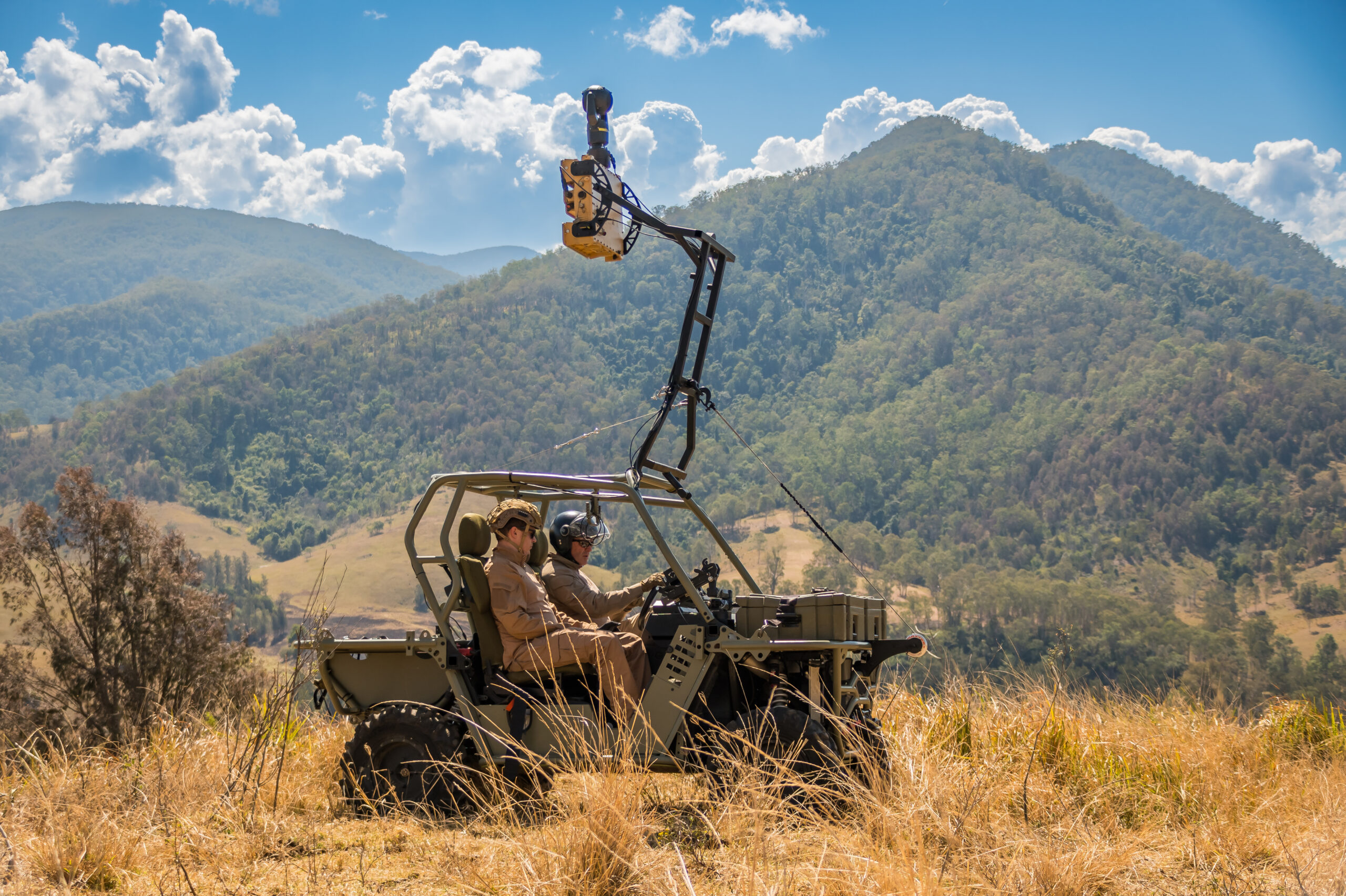
The radars will be installed by Blighter’s local systems integration partner onto specialist army vehicles for rapid deployment to border infiltration hotspots. When required, the radars can also be trailer mounted on a higher mast or dismounted and set up on a tripod for locations that are inaccessible by vehicle.

Blighter’s ultra-reliable low power solid-state radars contain no moving parts so are easily transportable and can be quickly reconfigured to match the changing patterns and locations of border infiltration.

James Long, CEO at Blighter, says, “Our radars have served this major economy for many years now, so we are delighted that the customer has chosen our technology to extend the surveillance coverage across the country’s diverse border terrains which include mountains, dense forests, arid deserts and coastlines.”

The radars will be supplied with the company’s AI-assisted BlighterNexus software to allow easy integration of the new radars with existing sensors and to provide operators with a common operating picture (COP) across the country’s strategic border regions.

According to Blighter, the additional radars will result in a significant boost to situational awareness, allowing operators to detect, track and classify small surface targets (people, vehicles and vessels) and near ground aerial threats in real time, in the most demanding environments. The radars deliver up to 360-degrees of pure electronic scanning coverage and are field proven to work 24 hours a day, 365 days a year, in all weather conditions, including fog.

“Our system architecture will enable multiple radars and peripherals to be managed via a unified interface, providing security forces with a scalable, secure and smart view of the border environment,” says James Long. “This level of integration will reduce operational blind spots and improves coordination between surveillance system operators and threat response teams.”

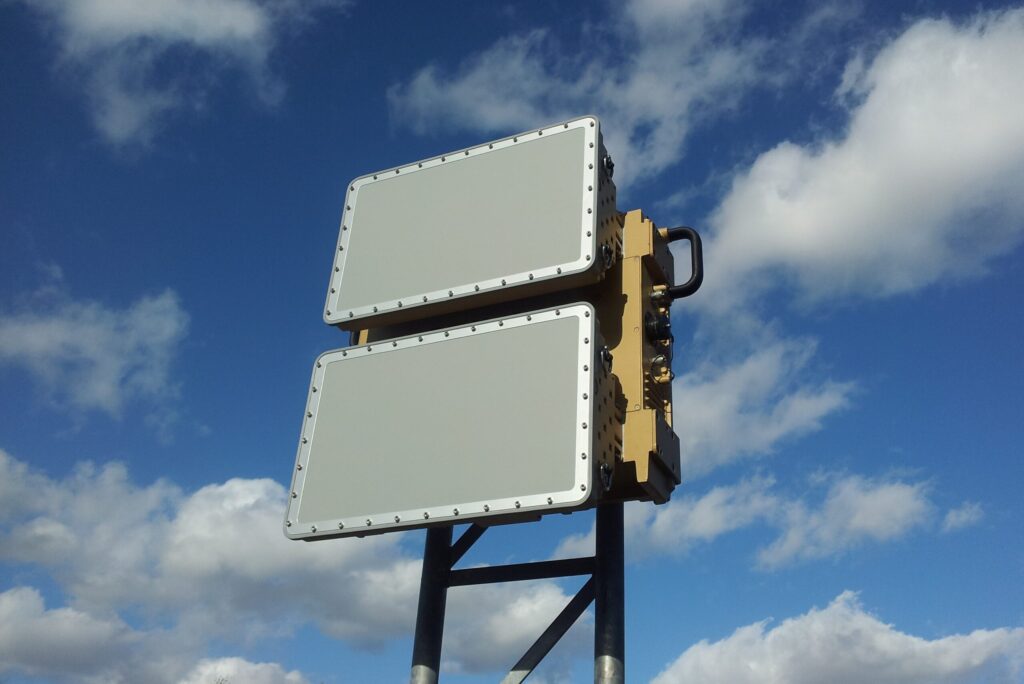
The B400 radar’s compact, modular design and low-power electronic scanning frequency-modulated continuous-wave (FMCW) technologies provide uninterrupted rapid surveillance over a wide area detecting moving vehicles and persons (including ‘crawlers’) at ranges of up to 32 km.

Blighter radars are trusted by the UK Ministry of Defence for forward operating base (FOB) protection, the South Korean Army for border surveillance along the Demilitarised Zone (DMZ), by the United States Air Force for drone detection, and by several Five Eyes/NATO customers for deployment on their mobile surveillance and armoured vehicles.

Blighter introduced the world’s first, non-rotating, solid-state, electronic-scanning, micro-Doppler ground radar in 2003. Today, the product portfolio covers the three domains of land, sea and air with the B400, C400, A400 and A800 family of ground-based radars. The radars’ modular design enables the technology to be deployed on towers and vehicles, and as dismounted portable systems on tripods.

Find out more information about Blighter’s range of electronic scanning radars. Telephone +44 1223 491122 or email [email protected].