Rogue Drones at High-Profile Public Events

  • The risk of rogue drones at large, high-profile public events such as the Euro 2020 football competition, and the COP26 climate change conference highlights the importance of effective drone detection, identification and tracking technology to preserve public safety

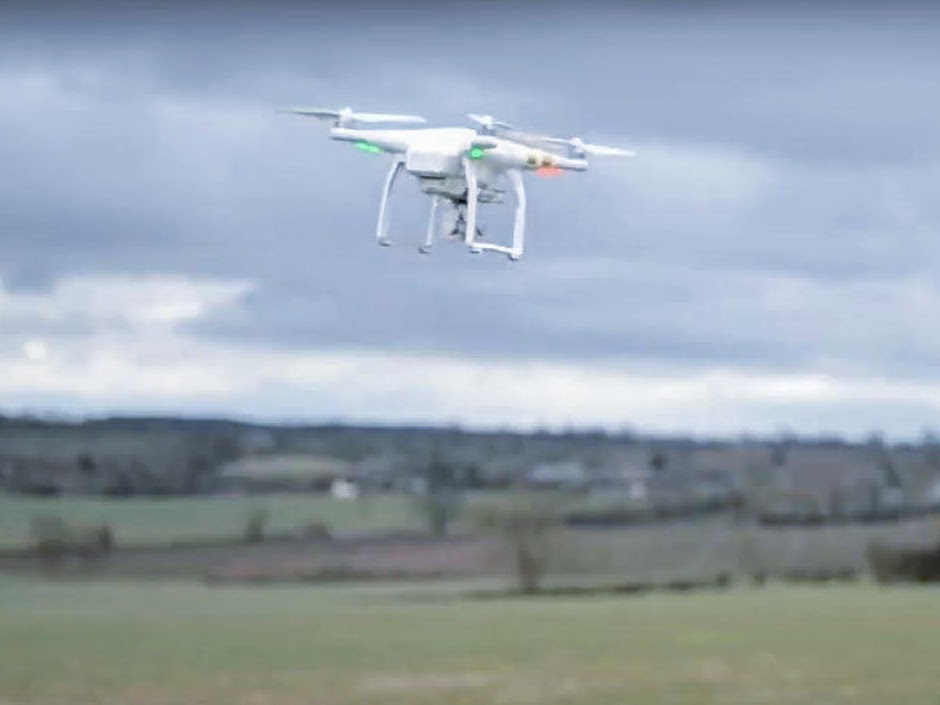
With the rapid increase in the popularity of drones in recent years, there are now hundreds of thousands being used by hobbyists and businesses across the UK. The misuse of drones is rapidly becoming a new and developing threat. As well as safety and privacy issues, there is growing concern about the use of rogue drones for illegal activities such as smuggling drugs into prisons.

But police in the UK are being given new powers to prevent users from flying drones irresponsibly or illegally, with dedicated teams keeping an eye out for those breaking the rules.

Operation Foreverwing was set up in March as a collaboration between the Home Office, the police and the Civil Aviation Authority (CAA) to clamp down on drone-related crime and illegal flying activities, and gave police officers the tools needed to tackle drone misuse. The police can now confiscate rogue drones being flown dangerously and they will also be able to issue on-the-spot fines. Recently it was reported that a rogue drone user was fined more than £5,000 for flying illegally over the MI6 building in central London.

Under the rules, anyone operating a drone that either weighs 250 grams or more, or one fitted with a camera, is required to register with the CAA. Those with drones weighing more than 250 grams must also pass a test on the CAA website.

There have been 200,000 registrations since November 2019 but there are many more still unregistered. Many of the rules for registered, large drones are common sense, but those wilfully breaking them face fines, and anyone endangering aircraft could receive a prison sentence.

The main concern is about aviation safety and how aircraft and drones can legally share airspace, but the emphasis is on the drone operator, because they are more likely to be able to see a helicopter or aircraft, than a pilot will see a drone.

Rogue Drones at High-Profile Public Events

At high-profile public events taking place in the UK, such as the current Euro 2020 football competition, and the COP26 climate change conference in Glasgow in November, police will be keeping a lookout for rogue drones. The choice of drone detection, identification and tracking technology is critically important to determining hostile behaviour and when it becomes a threat so at that point decisions can be made on an appropriate response to prevent the threat from becoming a public safety hazard.

This requires a different approach to monitoring public spaces using technologies that are sufficiently passive so as not to infringe civil liberties but at the same time be sufficiently active to provide rapid detection of dangerous rogue drones and hostile intent.

While legislation and education may provide some deterrent to users who wish to fly recklessly or illegally, the choice of technology is critical to successful and effective detection.  

None of this can be sustainable until a comprehensive and largely automatic airspace management solution is established.

Unmanned Traffic Management (UTM) Systems

Work to develop the standards that would govern such a system is already underway and Unmanned Traffic Management (UTM) systems are being rolled out in many parts of the world. These systems will rely on drone operators making their aircraft electronically conspicuous and building in the mechanisms that would allow the UTM system to control them directly, and where they could fly.

Such highly controlled flight operations should be welcomed by everyone, from hobbyists to commercial drone operators and the air traffic management sector. The infrastructure required to make such a system work would then provide useful data about the rogue drones.

Regardless of the stage of maturity of the UTM systems, drone detection will continue to consist of a number of different sensors that provide data into a management platform where it can be analysed, classified and presented to operators for action when appropriate.

Multi-mode radar can provide one of the most effective solutions for detection of rogue drones. Multi-mode radar offers an effective and affordable way to cover the large areas, scanning air, land and water simultaneously and detecting small and slow threats in each domain alongside traditional threats, including hobby drones.

Further Reading – Multi-Mode Radars


Coastal Security and the G7 2021 Summit in Cornwall

As Cornwall welcomed some of the most powerful world leaders at the G7 summit, the event has highlighted the importance of coastal security.  Protecting coastlines from intruders and threats to security is a growing concern for nations around the world.  Each country has its own unique set of problems – illegal immigration, asylum seekers, smugglers, terrorists, pirates and the ever-increasing potential for rogue drones.

The importance of coastal security was brought sharply into focus in 2008 after terrorists using sea routes and taking advantage of vulnerabilities in India’s coastline security, launched a terror attack on Mumbai.  Closer to home, recent news reports have suggested that migrant Channel crossings are set to reach a new peak this summer.  And only last week, after months of preparation, the UK played host to the leaders of France, Germany, Italy, Japan, Canada and the US at Carbis Bay in St Ives in what was the biggest and most complex security and policing events in England this year.  The event saw parts of Cornwall transformed into tightly-controlled secure zones – with mobile radar equipment positioned on beaches for monitoring air targets, police on jet-skis and British naval warships patrolling an exclusion zone around the coastal venue.

The control of coastal waters requires sensors that can reliably locate and track critical objects even under the most difficult conditions.  Small boats and other craft may be used by intruders, moving slowly and covertly while others may choose to reach the shore as quickly as possible.  Detecting small, and slow moving targets by day or by night and under all weather conditions including rough seas and rain, is the principal challenge and goal for any coastal security system.

Coastal Security with Multi-mode Radars

Multi-mode radars that detects air, ground and waterborne targets simultaneously can provide one of the most effective solutions for these situations.

Sea-based maritime and coastal surveillance has previously focused on monitoring ships that want to be seen, such as fishing boats and leisure vessels.  The threat environment has evolved and immigration by boat has become a critical issue.  The priority is now on tracking vessels which are trying to stay hidden, targets that are trying to evade detection low in the water below the radar, such as small boats which are hard to see.

Multi-mode radars can provide monitoring of shipping lanes at sea and into port, safety and rescue assistance and commercial boats and ships.  The radar can be switched between modes for either, ground, air or coastal security or can operate all three modes simultaneously.

The growth in the commercial and hobby use of drones has generated an increasing demand for precision detection particularly in the case of small “hobby” drones.  For many security applications it is the mis-use of drones that has created the greatest challenge.

Coastal security radars detect commercial boats, ships and smaller boats with radar reflectors, monitor shipping lanes, track ships out of position, prevent collisions and provide guidance for vessels into ports.  But the two-fold requirement we now face is the need to detect small surface targets as well as airborne drones.  Illegal immigrants are often packed into small non-reflective boats sitting low in the water and which are fairly covert and not easily visible.  Smugglers use semi-submersibles or unmanned surface vehicles which are far smaller than traditional boats.  Drones are often used for the surveillance of landing areas to check that the coast is clear, and for ‘last-mile’ contraband drop-offs.

There are not many locations that require ground, sea and air radar coverage at one site, although the coastal position of the G7 summit may be one, however it is the ability of the radar to be able to manage the three modes that also allows it to offer effective ground and air, or coastline and air surveillance.

As the nature of threats evolve, so too must the capability of the radar systems needed to detect them.  Future radars will be more compact, and lower cost.  Multi-mode radars offer an effective and affordable way to cover the large areas needed for coastal security, scanning air, land and sea simultaneously and detecting small and slow threats in each domain alongside traditional threats, including ‘hobby’ drones.

Further Reading – Coastal Security & Multi-Mode Radars


Drone Near Miss with Aircraft Carrying UK Diplomat

  • The close call between a rogue drone and an aircraft carrying the UK’s leading diplomat reminds us of the challenges we face to keep the skies safe against evolving threats.

It was recently reported that an RAF aircraft, carrying a delegation of UK government officials returning home from meetings in Brussels, was involved in a ‘drone near miss’ with a 3 foot wide Unmanned Aircraft System (UAS) in the skies above London.  As shocking as this story is, it is certainly not the first example of unmanned ‘hobby drones’ coming into close contact with aircraft, potentially putting lives at danger, and it certainly won’t be the last.

As the use of drones for commercial and recreational purposes increases, the risk of this type of incident is also on the rise.  Just six drone near miss incidents were recorded in 2010, increasing to 125 in 2019.  Hobbyists in Gloucestershire were recently warned by police after an unlicensed drone came close to hitting an aircraft flying at an altitude of 700m; while infamously in December 2018, drone sightings caused London Gatwick airport to close for two days.

This trend is prompting a reassessment of how we manage our airspace to ensure it remains safe, and usable, for everyone that needs it.

How to Avoid Drone Near Miss Incidents?

At Blighter we have traditionally developed our UAS-detecting radars for defence and security applications, but we recognise the growing need for effective counter-UAS systems in a wider range of operating environments.

Trials by major commercial companies have looked at using UAS for everything from delivering Amazon packages to vital blood and other medical supplies.  The more successful these trials are, the more congested and contested we can expect to find our airspace.  A knock-on rise in drone near miss incidents is inevitable.

Among the numerous systems in our airspace there will also be hostile actors.  The challenge now facing the global security, defence, and aviation industries, is how do we distinguish between what has the right to be in our airspace and what does not.

Regulation will have a part to play in this, but at a day-to-day operating level, the systems that are in place to detect UAS threats will need to be more advanced.

This will require our radars not just to be able to detect everything in the skies but will also rely on us being able to identify and classify the targets.  Radar systems that Blighter has deployed across the globe have been integrated with advanced electro-optic capabilities to allow us to identify the UAS and, using radio frequency direction-finding capabilities, allow us to locate the pilot.

This type of UAS detection capability is not just used for special, high-value operations, but is easily accessible for any location that may be at risk.  Part of this will be in industry’s hands, but it will also require wider support to reduce the prevalence of drone near miss incidents.

Blighter’s Chief Technology Officer and Co-Founder, Mark Radford, recently gave a presentation to the UK Home Office’s first Counter-UAS Industry Action Group, highlighting the need for more government support to facilitate the accessibility of anti-drone test centres as well as the importance of sharing information between C-UAS providers and government.

If we are to embrace a future where UAS are used for ordinary commercial activities currently fulfilled by cars, it is imperative that the appropriate technological infrastructure is in place to support it.


Blighter Radars at DSEI 2021

It has now been confirmed that DSEI 2021 will proceed as a live event in September this year, with a new digital offering running alongside the live exhibition. DSEI will take place as originally scheduled from 14-17 September at ExCeL London, a decision which follows close consultation and discussion with the UK Government and key industry stakeholders. Blighter Surveillance Systems (BSS) is pleased to be exhibiting its Blighter radars at DSEI 2021 this year, and we look forward to engaging with the industry after a long period of being unable to do so in person.

The lengthy global shutdown of the live exhibition sector during the pandemic has meant that the defence and security industry has shown a strong appetite for DSEI, an event which will provide a critical and unmissable forum for many thousands of companies to convene in person.

This year there will be a range of online opportunities which will complement the in-person event, a new digital offering which will be known as ‘DSEI Connect’.  DSEI Connect is a platform which will bring participants from across the globe together with those attending the event in London to create a flexible and accessible hybrid format. DSEI Connect will offer registered participants a regulated platform for relationship building, knowledge sharing and business development using DSEI’s connection portal, ‘MeetMe’. MeetMe will enable users to view recommended contacts through its supply chain listings, identify networking opportunities and arrange secure online or in-person meetings at the event.  Thus, visitors will be able to see Blighter radars at DSEI 2021 both online and in-person.

Blighter Radars at DSEI 2021 – BSS Exhibition Stand

We are excited to showcase our range of best-in-class Ground Surveillance Radars at our stand in the ADS UK Pavilion. BSS will be displaying its cutting-edge A800 3D Drone Detection Radar and will be on hand to brief stakeholders on its multi-mode detection capabilities. We will also be featuring our other e-scanning radar products such as:

BSS is looking forward to engaging with the industry to celebrate our shared expertise and innovation.

Visitor registration will open on the 7th June. For more information on DSEI 2021, please read the official statement here.

Mark Radford Offers Insight to UK Government C-UAS Action Group

Cambridge, UK, May 12, 2021 – Mark Radford, Co-Founder & CTO of Blighter Surveillance Systems (‘Blighter’, www.blighter.com), the British designer and manufacturer of electronic-scanning radars and surveillance and Counter-Unmanned Aerial Systems (C-UAS) solutions, has given a presentation to the first C-UAS Industry Action Group, a virtual roundtable with C-UAS policy and technical leaders established by the UK Home Office’s Joint Security and Resilience Centre (JSaRC).

Mark Radford was among representatives from industry and academia and presented to the Action Group yesterday, which was chaired by Shaun Hipgrave, Director of Protect, Prepare, CBRNE and S&T of the Office for Security and Counter-Terrorism.  The virtual event was attended by senior representatives from the Home Office, Department for Transport (DfT), the Defence and Security Accelerator (DASA) and other key Government departments.

The aim of the Action Group was for industry to present the latest technical developments and trends in the C-UAS market to Government, as well as addressing the challenges faced by the sector.

With the use of drones becoming increasingly prevalent in both military and civilian domains, the necessity for UAS detection, identification and tracking technology is becoming ever clearer.  Mark Radford was invited to share his expertise in the ways in which this technology can be effectively used for the protection of the public, critical national infrastructure, and the UK as a whole.

Mark offered his insight into the role of radar in C-UAS and highlighted the need for more government support to facilitate the accessibility of anti-drone test centres as well as the importance of sharing information between C-UAS providers and government.

Speaking after the event, Mark said:

“Those of us in industry have long been pushing for more government support in the field of C-UAS, especially given the threat posed by hostile drones to our national security and infrastructure.  JSaRC brought in a great mix of academia, industry and government for some open discussions on the present and future challenges facing this sector and it is encouraging to see the government step up to address them.”

ENDS

For media enquiries please contact:

Victoria Mackarness (for Blighter)
Tel: +44 (20) 7866 2487
Email: [email protected]

About Blighter (www.blighter.com):

Blighter Surveillance Systems employs 40 people and is located near Cambridge, UK. Blighter designs and manufactures world-beating 2D and 3D electronic-scanning ground-based radars, which can accurately detect drones, people, vehicles and boats at large distances.

Its radars are key sensors in surveillance and counter-drone applications, and are used in more than 35 countries around the world, delivering 24/7 security protection along national borders and coastlines, at military bases, and to protect manoeuvre force missions when deployed on military land vehicles and trailers.  Blighter’s radars also play a key role in guarding critical national infrastructure (CNI) sites such as airports, power plants and oil and gas facilities.

About JSaRC (www.jsarc.org)

The Joint Security and Resilience Centre (JSaRC) was founded in 2016 by the Home Office. Sitting within the Homeland Security Group (HSG), JSaRC works to provide security outcomes for the United Kingdom by combining government, academic and private sector expertise. JSaRC works to meet the fast moving and ever-evolving threats to our citizens, both here and abroad.

JSaRC aims to overcome the traditional barriers that have prevented collaboration between the private and the public sectors by improving the understanding both sectors have of each other, and of the key issues and trends that have an impact on the UK’s security and resilience.

Blighter Affirms Partnership with Korea

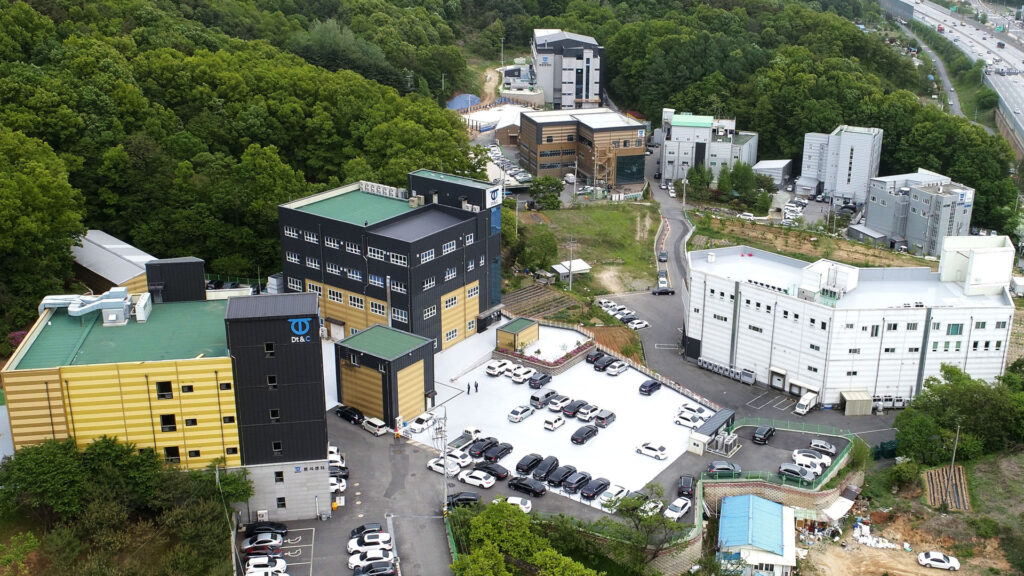
Cambridge, UK, May 11, 2021 – Blighter, the British designer and manufacturer of electronic-scanning radars and surveillance solutions, has cemented its position in South Korea by affirming its partnership with South Korean integration and certification firm Dt&C (www.dtnc.co.kr) who have recently established their Anti-Drone Business Unit.

Dt&C is a South Korean electronics and product testing and certification company based near Yongin in Gyeonggi Province. Dt&C has experience across the telecommunications, automotive, defence and space exploration sectors, with a long-standing relationship with the Korean Armed Forces, and have recently established an Anti-Drone Business Unit to help focus Blighter’s activities in Korea. Blighter appointed Dt&C in 2019 to help develop the growing Counter-UAS (C-UAS) market in South Korea, and Dt&C were quick to recognise the opportunities on offer by promoting Blighter C-UAS capabilities.

With an impressive background in RF analysis and extensive test facilities, a number of industry experts have now been appointed by Dt&C to help meet the challenges of growing Blighter’s share of the C-UAS market in Korea and overseas by collaboration with some of Korea’s major military suppliers. During the ongoing partnership, Blighter and Dt&C have participated alongside several other competitors in seven C-UAS tests and evaluations conducted by three separate government agencies. These resulted in Blighter being the only radar provider to be able to detect and track small UAVs at a distance of over 4 km.

Major General (Ret.) Yeoung-Soo Hwang, adviser of Dt&C said:

“Dt&C participated in the pilot project of integrated drone defence systems…we were very pleased that it was an opportunity to confirm the superiority of Blighter’s radar in the field and make it recognised by major domestic personnel.”

The tests proved that Blighter radars are best-in-class in the detection of small commercial UAVs and that Blighter and Dt&C’s partnership will allow them to build on Blighter’s existing contribution to South Korea’s national security, evidenced by their provision of surveillance systems for the South Korean government to monitor the De-Militarized Zone (‘DMZ’).

According to the Chairman of Dt&C, Charlie Park, “The motivation for an anti-drone radar partnership with Blighter is because we have sufficient human resources, based on the technology and experience that Dt&C has accumulated, to build a Korean anti-drone system.”

Blighter CEO Angus Hone remarked:

“The successful tests and the combined aspirations of our two companies demonstrate our commitment to this partnership and to the security of the Republic of Korea as a whole. The growing threat of hostile drone usage shows that there is a market calling out for our of expertise and we are excited to collaborate closely with Dt&C to establish ourselves as leaders in the field of counter-drone technology.”

Blighter Showcases Multi-Mode Drone Detection Radar

Cambridge, UK, March 9, 2021 – Blighter Surveillance Systems (‘Blighter’, www.blighter.com), the British designer and manufacturer of electronic-scanning radars and surveillance solutions is featuring its range of ground-based radar systems including the recently launched A800 multi-mode drone detection radar at the Security & Policing 2021 event being held online from 9-11 March.

Blighter’s fully interactive virtual exhibit will be available for visitors to navigate online.

Blighter Showcases Multi-Mode Drone Detection Radar

Blighter’s A800 3D radar (www.blighter.com/a800) offers an innovative solution to threat detection, harnessing the multi-mode simultaneous land, air and sea surveillance capability of large-scale radar systems, and packaging it into a smaller, more accessible radar with a maximum range of 20 km. The A800 multi-mode drone detection radar is ideally suited to border and perimeter surveillance as well as base security, particularly in the military domain and in locations where there is a requirement for scanning land, air and sea simultaneously from a single radar.

“Blighter continues to develop and extend its product range to keep at the forefront of radar capability and to meet the growing need for effective and affordable surveillance solutions to address evolving threats and counter the malicious use of drones,” said Angus Hone, Chief Executive Officer, Blighter Surveillance Systems. “Security & Policing provides an opportunity to engage with industry partners and customers and to learn more about the latest and future security challenges and threats. We are pleased to be showcasing our range of border and perimeter surveillance solutions at the event.”

Blighter radars are key sensors in border and perimeter surveillance and counter-drone applications, and are used in more than 35 countries around the world, delivering 24/7 security protection along national borders and coastlines, at military bases and for critical national infrastructure.

Current programmes include multiple territories with the US Department of Defense, in South Korea monitoring the demilitarised zone (DMZ), and in various European airports including London Stansted and London Gatwick providing wide area perimeter surveillance and detecting drone activity.

ENDS

Media images:

High-res image of Blighter’s Virtual Exhibition Stand at Security & Policing 2021

Multi-mode drone detection radar images

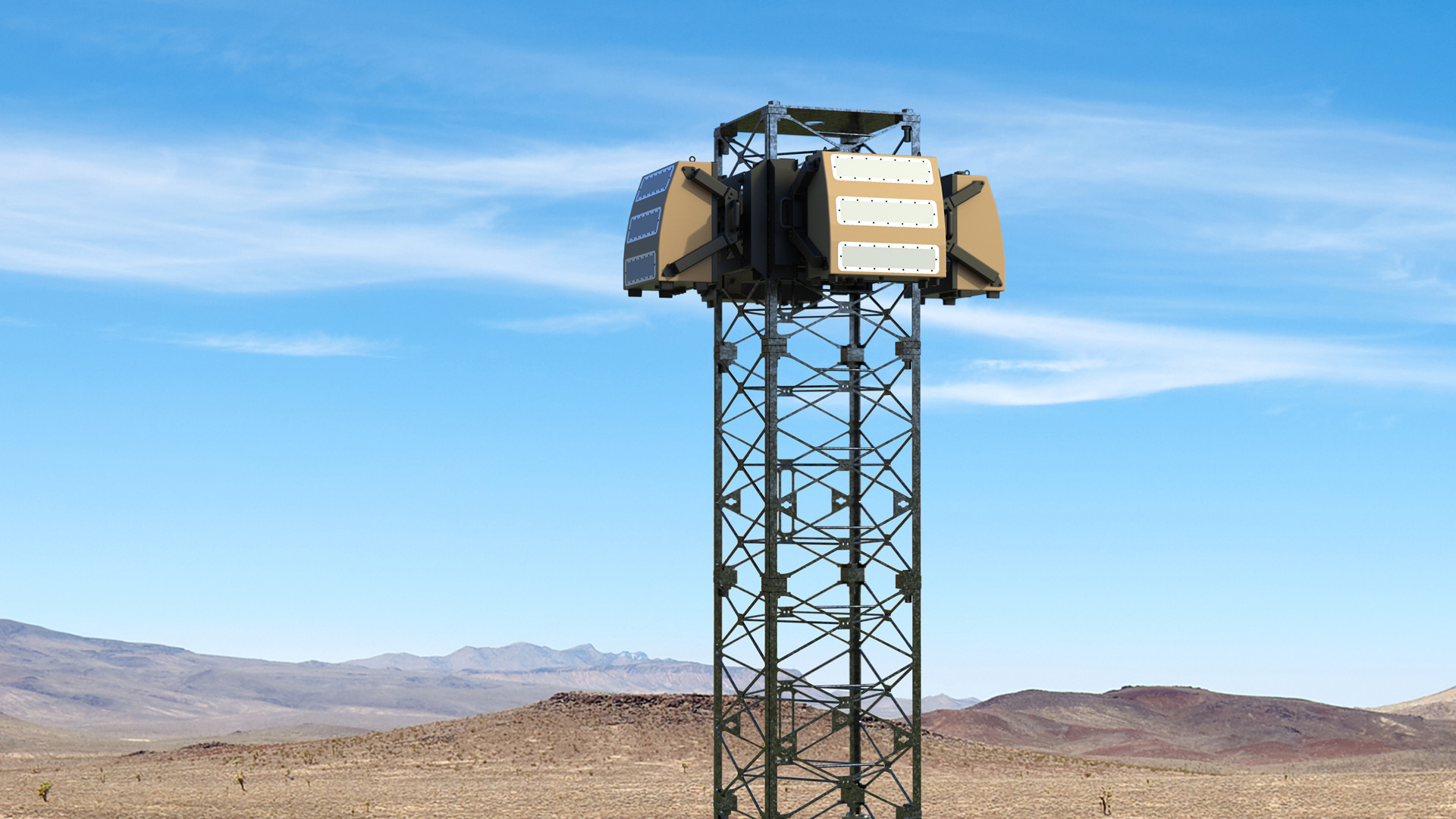
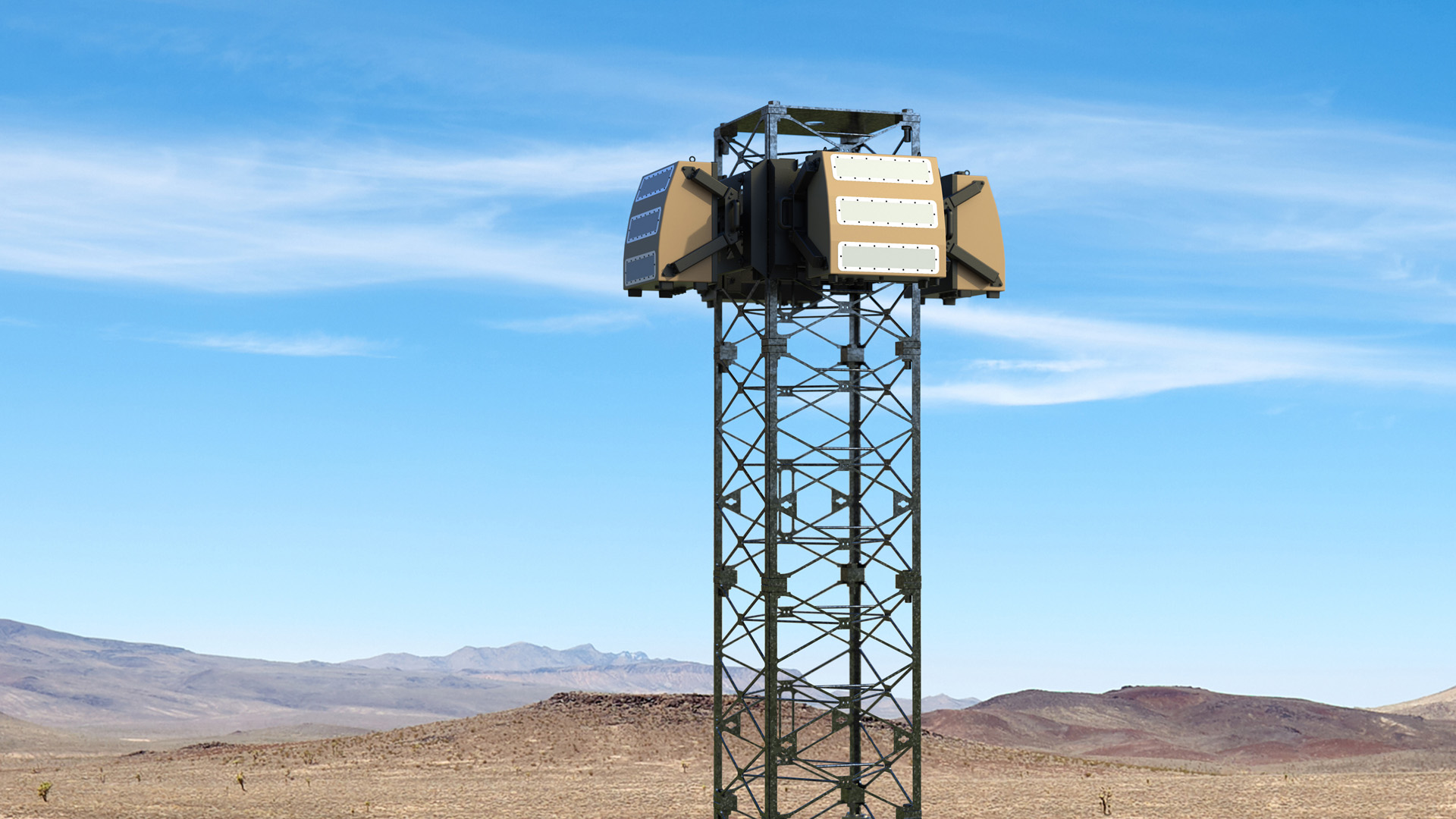
High-res image of A800 Multi-Mode Drone Detection Radar on Tower in Desert #1
High-res image of A800 Multi-Mode Drone Detection Radar on Tower in Desert #2

For media enquiries please contact:

Victoria Mackarness (for Blighter)
Tel: +44 7852 128075
Email: [email protected]

About Blighter (www.blighter.com):

Blighter Surveillance Systems employs 40 people and is located near Cambridge, UK. Blighter designs and manufactures world-beating 2D and 3D electronic-scanning ground-based radars, which can accurately detect drones, people, vehicles and boats at large distances.

Its radars are key sensors in surveillance and counter-drone applications and are used in more than 35 countries around the world, delivering 24/7 security protection along national borders and coastlines, at military bases, and to protect manoeuvre force missions when deployed on military land vehicles and trailers.  Blighter’s radars also play a key role in guarding critical national infrastructure (CNI) sites such as airports, power plants and oil and gas facilities.

New Multi-Mode Radar White Paper Published

Blighter’s new multi-mode radar white paper has just been published.  The document is available to download and read as a PDF from this link: PDF of New White Paper.

Multi-Mode Radar White Paper Overview

Traditional surveillance radars have been defined by their radar architecture and mechanical construction, resulting in application specific radar designs:

    • Ground surveillance radar
    • Air traffic control radar
    • Coastal vessel tracking system (VTS) radar

The advancement of radar technology including availability of low-cost electronic scanning antennas, high capability and easily programmable signal processing platforms, and high-quality digital waveform generators, allows modern radars to do so much more than their predecessors. Yet, the majority of radars on the market presently offer only single mode operation or attempt to apply modes for one application directly to another application despite differences in target type and radar environments. However, there are radars now becoming available that offer the operation of all three modes, for air, ground and water, simultaneously. These multi-mode radars were once only available in multi-million pound military systems, but are now available at a fraction of these costs.

About the Author

Mark Radford is the technical Co-Founder and Chief Technology Officer (CTO) of Blighter Surveillance Systems Ltd. Mark has worked in the radar industry since 1985, initially as a designer of high-performance signal processing solutions for naval radar systems and later as a system designer and development manager. Since moving to Cambridge, UK, in 2000, Mark has been involved in various radar development projects including the specification, design and development of the Blighter radar family, unique electronic-scanning FMCW Doppler surveillance radars.

Since his appointment as CEO of Blighter Surveillance Systems in 2013, Mark has overseen developments of the Blighter technology to enhance it for use in more complex environments such as the heavily cluttered operational areas of airports where buildings and airport traffic limit the effectiveness of traditional perimeter security radars. Further enhancements now see Blighter radars being used for coastal security and for air security, where Blighter’s ability to detect very small and slow-moving targets in heavily cluttered environments is a key technological advantage. Mark first developed the AUDS (Anti-UAV Defence System) counter-drone system in 2014, which is now the principal Short-Range Air Defence (SHORAD) system used by US DoD in their warfighting efforts and is in operational use at leading UK Airports.

Mark headed the spin-out of Blighter Surveillance Systems Ltd. from its parent company in 2015 to enable rapid business growth and in March 2019 resumed his technology leadership position for Blighter by appointment to ‘Co-Founder and CTO’.

Read more here: PDF of New White Paper

Blighter to Exhibit at Security and Policing 2021

It is now less than three weeks until Blighter Surveillance Systems will exhibit at Security and Policing 2021.  As with the previous year, security and resilience professionals from UK registered companies providing security solutions are able to register for free, but please note that registration must be made using an official UK company email address and will be approved by the Home Office.

Security and Policing 2021 is the official UK Government global security event which this year will be taking place fully online.  The virtual event offers a world-class opportunity to meet, network and discuss the latest advances and developments in the delivery of national security and resilience with UK suppliers, colleagues and Government officials.  This virtual event will be taking place from Tuesday 9th to Thursday 11th March 2021.

This year, in response to the ongoing challenges of the COVID-19 pandemic and continuing to evolve security and policing through innovation, Security and Policing 2021 will be centred around the core themes of Resilience, Recovery and Rebuild.

Security and Policing 2021 – Blighter’s Virtual Exhibition Booth

Blighter will be exhibiting its full range of ground-based radar systems, including the recently launched A800 3D Drone Detection Radar which offers an innovative and unique multi-mode radar solution to threat detection.  Blighter radars are used in more than 35 countries around the world, delivering 24/7 security protection along national borders and coastlines, at military bases and for critical national infrastructure.

Visitors to Security and Policing 2021 will be able to navigate a fully interactive virtual exhibition and there will be an extensive programme of live and on-demand senior keynotes led by senior UK Government officials, as well as other major speakers across virtual auditoriums.  The virtual Fusion Forum will be returning which will offer leading insight and include a range of exciting live and on-demand online video content incorporating a blend of keynote addresses, fusion panel sessions and industry challenges.

Visitor registration closes at 17:00 GMT on Friday 5th March.

Blighter Targets US Defense and Security Market for Growth

Cambridge, UK, February 3, 2021 – Blighter Surveillance Systems (‘Blighter’, www.blighter.com), the British designer and manufacturer of electronic-scanning radars and surveillance solutions, has announced the appointment of the consulting firm JGW Group (www.jgwgroup.com) as its US in-country strategic partner to support the company’s expansion into the US defense and security market.

Blighter has built its industry-leading expertise in electronic-scanning radars for wide area surveillance solutions and counter-UAS systems, over many years, and has a strong reputation, track record and customer base.

As a world-leader in the development and manufacture of electronic-scanning radar and surveillance solutions, Blighter will be exploring further opportunities to support the US Department of Defense and Department of Homeland Security in the ongoing fight against rapidly developing adversaries.

This will build on Blighter’s proven successes having already become a valuable partner of the US Department of Defense with the delivery of their A400 series radars as part of the AUDS C‑UAS platform for deployment to military and CNI bases over the last three years.

The increasing need for border security, perimeter protection and surveillance systems to address the threat caused by drones, has resulted in record growth for the company with opportunities for expansion into the US market. This builds on the existing expertise of Blighter which has seen them providing advanced border security in high-risk regions for decades, including providing surveillance systems for the South Korean Army to monitor the De-Militarized Zone (DMZ).

“The demand in the US market for radar surveillance capabilities in defense and critical national infrastructure protection is increasing rapidly and is a key platform for Blighter’s strategic international growth,” said Angus Hone, chief executive officer, Blighter Surveillance Systems. “This appointment will be important for our success in the US and will enable us to build brand awareness, broaden our stakeholder engagement with customers and industry partners, and to identify new business opportunities in this key market. We are delighted to be taking this proactive step in expanding our presence in the US.”

Blighter continues to develop and extend its product range to keep at the forefront of radar capability and to meet the growing global need for effective technical solutions to counter the malicious use of drones. In Q4 2020, Blighter launched the latest in its range of market-leading radars, the A800 3D drone detection radar for land, air and sea surveillance.

Andrew Wilson, President, JGW Group said:

“The JGW Group is honored to be appointed by Blighter Surveillance Systems Limited to represent them in the US Defense and Civilian sectors.  Our tag line of “Taking Technology to Market” is very much representative of what Blighter brings to these US market sectors.  They have developed technically advanced radar modules that will support missions on land, sea and air at competitive rates.  We at JGW see a bright future for Blighter with many of the top OEM’s who are integrating these systems for government programs of record.”

ENDS

High resolution media photos:

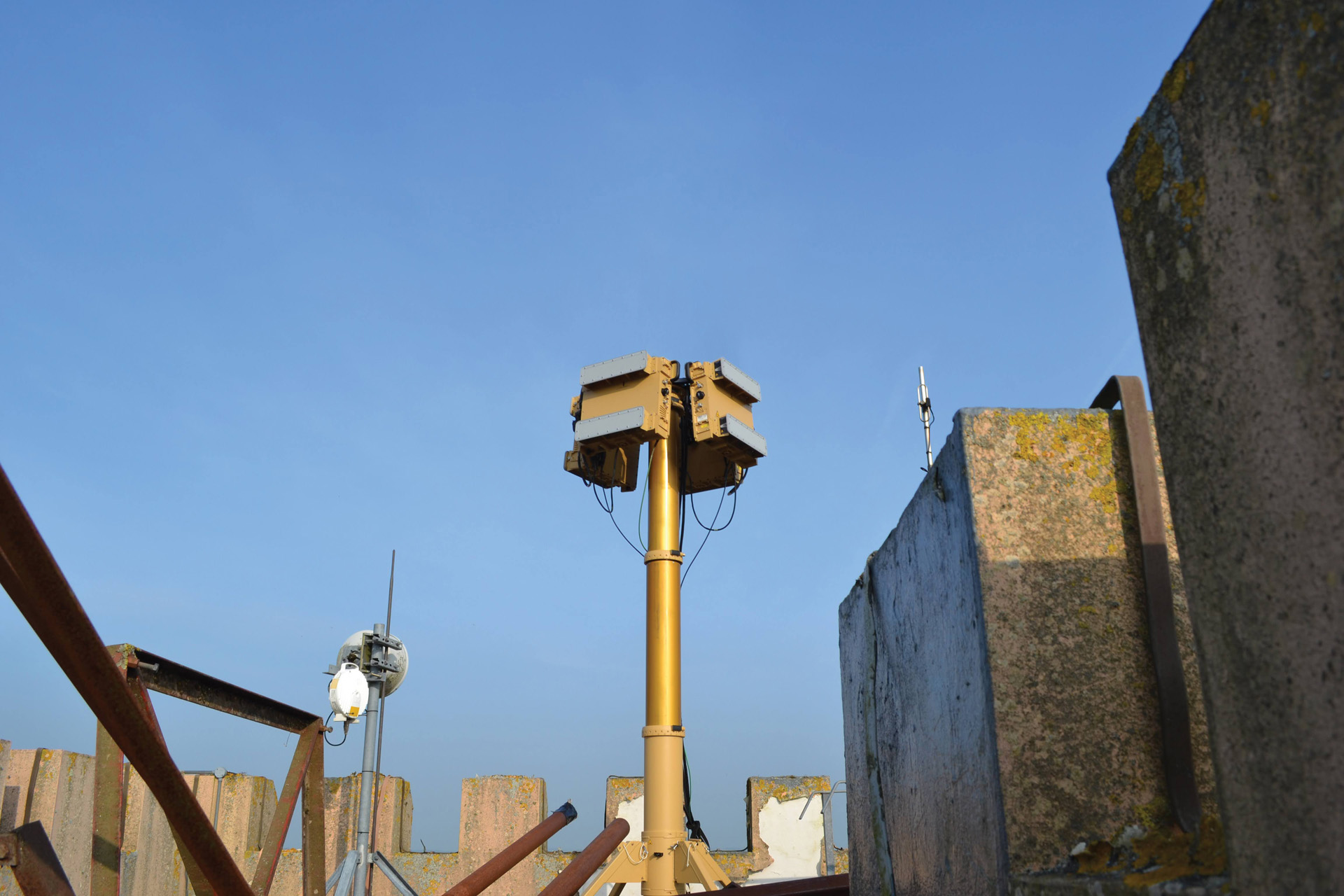
Blighter B400 Series Radar Units on Integrated Surveillance Tower for Land Border Security #1
Blighter B400 Series Radar Units on Integrated Surveillance Tower for Land Border Security #2
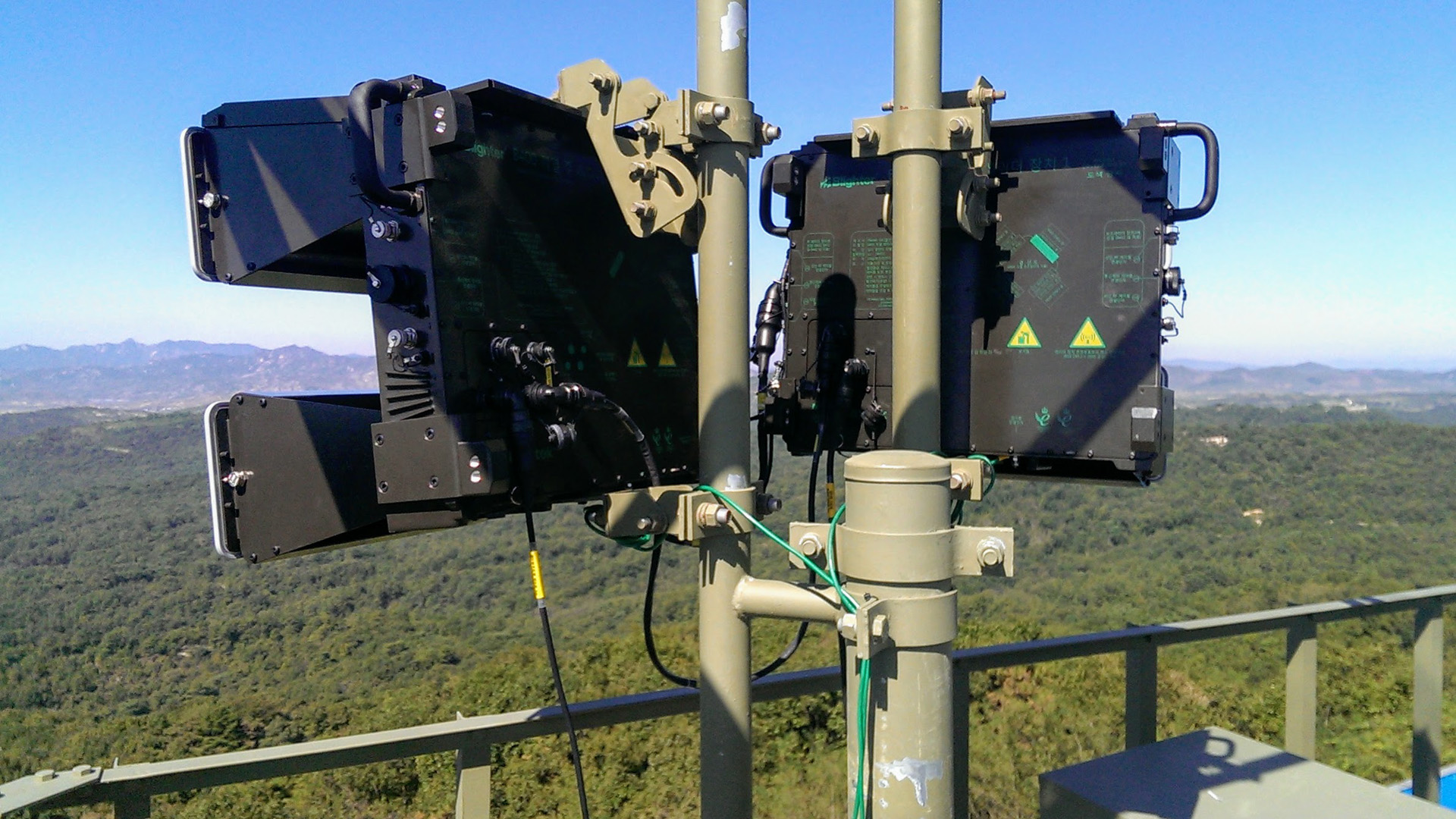
Blighter B400 Series Radar Units on Korean DMZ

For media enquiries please contact:

Victoria Mackarness (for Blighter)
Tel: +44 7852 128075
Email: [email protected]

About Blighter (www.blighter.com):

Blighter Surveillance Systems employs 40 people and is located near Cambridge, UK. Blighter designs and manufactures world-beating 2D and 3D electronic-scanning ground-based radars, which can accurately detect drones, people, vehicles and boats at large distances.

Its radars are key sensors in surveillance and counter-drone applications and are used in more than 35 countries around the world, delivering 24/7 security protection along national borders and coastlines, at military bases, and to protect maneuver force missions when deployed on military land vehicles and trailers.  Blighter’s radars also play a key role in guarding critical national infrastructure (CNI) sites such as airports, power plants and oil and gas facilities.